Best Math Learning Toys for Preschoolers and Elementary Students

Math does not begin with worksheets.

Long before children solve written equations, they compare sizes, count objects, recognize patterns, sort colors, estimate distances, divide snacks, and notice which tower is taller.

That is why the best math learning toys do not feel like schoolwork. They turn numbers, shapes, measurement, and problem-solving into activities children genuinely want to repeat.

A preschooler may learn counting by moving colorful bears into cups. An elementary student may understand multiplication more clearly through tiles, blocks, or a strategy game. The goal is not to make children memorize answers faster. It is to help them understand what numbers actually mean.

This guide covers the best math toys for different ages, the skills they teach, and what parents should look for before spending money.

What Makes a Toy Good for Learning Math?

A useful math toy should allow children to see, touch, move, group, arrange, or compare objects.

Young children often understand abstract ideas more easily when they can physically interact with them.

For example, the number five becomes more meaningful when a child can hold five blocks, remove two, and see that three remain.

Strong math toys usually support one or more of these skills:

  • Counting

  • Number recognition

  • Sorting

  • Addition and subtraction

  • Patterns

  • Shapes

  • Measurement

  • Fractions

  • Multiplication

  • Logical reasoning

  • Money skills

  • Spatial awareness

The best products can be used in several ways rather than offering only one short activity.

Best Math Toys for Preschoolers

Preschool math should remain playful, visual, and hands-on.

Children between three and five years old are usually developing early number sense, shape recognition, matching, sorting, and simple comparison skills.

Counting Bears and Sorting Animals

Small counting figures are among the most flexible math learning toys for preschoolers.

Children can:

  • Count them

  • Sort them by color

  • Group them by size

  • Create patterns

  • Compare quantities

  • Practice simple addition

A parent might place three red bears and two blue bears on the table and ask how many there are altogether.

The same toy can later be used for subtraction, grouping, or early multiplication.

For children under three, avoid small pieces that may become choking hazards.

Number Puzzles

Wooden number puzzles help children connect spoken number names with written symbols.

A child may already know how to count to ten but still struggle to recognize the printed number seven. A number puzzle gives them repeated visual exposure.

Good number puzzles often include pictures or objects that match the number shown.

For example, the piece marked “4” may include four stars or four animals.

This helps the child understand that the symbol represents a quantity.

Bead Mazes and Counting Frames

Bead mazes and abacus-style counting toys allow children to move pieces while counting.

These toys can support:

  • One-to-one counting

  • Color recognition

  • Simple addition

  • Simple subtraction

  • Comparing groups

Parents should encourage children to move one bead for each number spoken.

This prevents children from reciting numbers without understanding how counting connects to actual objects.

Shape Sorters and Geometry Boards

Shape toys introduce more than the names of circles and squares.

Children begin to notice corners, sides, curves, size, rotation, and how pieces fit together.

Geometry boards, tangram-style pieces, and pattern blocks can help children build pictures and explore spatial relationships.

Ask questions such as:

  • Which shape has three sides?

  • Can two triangles make a square?

  • Which piece fits this space?

  • What happens if you turn it around?

These conversations make the toy far more educational.

Peg Boards and Pattern Cards

Peg boards allow preschoolers to copy or create patterns.

A child may arrange pieces in a sequence such as red, blue, red, blue.

Later, they may work with more complex patterns such as red, red, yellow, red, red, yellow.

Pattern recognition is an important early math skill because it helps children predict what comes next.

Best Math Toys for Kindergarten and Early Elementary Students

Once children begin formal schooling, math toys can help make classroom concepts easier to understand.

The strongest options show children why an answer works rather than simply testing whether they remember it.

Linking Cubes

Linking cubes can be connected into groups, towers, or number lines.

They are useful for teaching:

  • Addition

  • Subtraction

  • Place value

  • Patterns

  • Measurement

  • Multiplication groups

For example, a child can build one tower of eight cubes and another tower of five cubes, then compare their height.

Older children can create equal groups to understand multiplication.

Ten Frames

A ten frame is a simple rectangular grid containing ten spaces.

Children place counters into the spaces to visualize numbers.

A partially filled ten frame helps children see relationships quickly. If eight spaces are filled, they can also see that two more are needed to make ten.

Ten frames are useful for:

  • Number recognition

  • Addition

  • Subtraction

  • Making ten

  • Mental math

Although the tool looks simple, it can build a strong foundation for more advanced calculations.

Toy Cash Registers

A toy cash register combines mathematics with pretend play.

Children can practice:

  • Recognizing coins

  • Counting money

  • Giving change

  • Adding prices

  • Comparing costs

  • Understanding budgets

A pretend shop can make math feel relevant to everyday life.

Parents can label toys or household objects with simple prices and give the child a limited amount of play money.

The child must decide what they can afford.

Math Board Games

Board games can make repeated math practice less tedious.

Depending on the game, children may count spaces, add dice totals, recognize patterns, compare numbers, or make strategic decisions.

The best math board games involve actual thinking rather than depending entirely on luck.

Look for games that match the child’s ability. A difficult game may cause frustration, while a very easy one may lose its appeal quickly.

Number Balance Toys

A number balance uses weights or numbered pieces to demonstrate equality.

For example, placing a weight on one side marked six may balance with two weights marked three on the other side.

This helps children understand that different number combinations can have the same total.

Number balances are especially useful for visual learners who struggle with written equations.

Best Math Toys for Ages 7 to 9

Children in this age range often begin working with multiplication, division, fractions, measurement, and more complex problem-solving.

Hands-on materials can prevent these concepts from feeling overly abstract.

Fraction Tiles and Fraction Circles

Fractions are easier to understand when children can compare physical pieces.

A child can place two quarter pieces beside one half piece and see that they are equal in size.

Fraction toys may help teach:

  • Halves

  • Thirds

  • Quarters

  • Equivalent fractions

  • Comparing fractions

  • Adding simple fractions

Color-coded pieces are helpful, but parents should also encourage children to focus on the size and value of each part.

Multiplication Boards

Multiplication boards use pegs, tiles, cards, or sliding pieces to demonstrate number groups.

Instead of only memorizing that four times three equals twelve, a child can create four groups containing three objects each.

This builds understanding before memorization.

A multiplication toy is most effective when it allows the child to discover patterns, such as why every answer in the five-times table ends in zero or five.

Measuring Kits

Child-friendly measuring tapes, rulers, scales, cups, and clocks can turn ordinary activities into math practice.

Children can measure:

  • Furniture

  • Toys

  • Ingredients

  • Height

  • Distance

  • Weight

  • Time

Measurement toys become more meaningful when connected to real tasks.

A child may measure cardboard before building a model or use cups while helping prepare a recipe.

Logic Puzzle Games

Logic games challenge children to arrange pieces, solve visual problems, or complete tasks under specific rules.

These toys strengthen:

  • Planning

  • Deduction

  • Sequencing

  • Spatial reasoning

  • Persistence

Many logic games include challenge cards that gradually increase in difficulty.

This makes them useful for independent play and long-term learning.

Best Math Toys for Ages 9 and Older

Older elementary students may prefer math toys that feel like puzzles, games, construction projects, or real-world challenges.

At this stage, avoid products that appear too childish.

Strategy Board Games

Strategy games require children to plan ahead, manage resources, calculate risks, and compare possible outcomes.

They may not be sold specifically as math toys, yet they can involve significant mathematical thinking.

Games involving money, trading, territory, probability, or resource management are particularly useful.

Geometry Construction Sets

Geometry sets allow children to build polygons, three-dimensional shapes, bridges, domes, and other structures.

These products can introduce:

  • Angles

  • Symmetry

  • Area

  • Perimeter

  • Volume

  • Structural geometry

Children who dislike traditional math exercises may become more interested when geometry is connected to building.

Mental Math Card Games

Card games can improve calculation speed without making practice feel repetitive.

Children may race to create a target number, compare fractions, identify factors, or combine cards using different operations.

Parents should avoid placing too much emphasis on speed. Accuracy and understanding matter more than winning quickly.

Math Escape-Room Games

Math mystery and escape-room games ask children to solve a series of clues before reaching a final answer.

These activities combine arithmetic with reading, reasoning, and teamwork.

They are particularly useful for children who enjoy stories and challenges more than standard practice sheets.

Choosing the Right Math Toy

A toy can look educational and still provide very little learning value.

Before buying, ask the following questions.

Does It Match the Child’s Current Skill Level?

A preschooler learning to count needs a different toy from a nine-year-old learning fractions.

Choose a product that is slightly challenging but still manageable.

Can It Be Used in More Than One Way?

Open-ended math toys usually provide better long-term value.

Counters, cubes, tiles, blocks, cards, and measuring tools can support several concepts as the child grows.

Does It Explain the Concept Visually?

The best math toys make an idea easier to see.

A fraction toy should show how parts form a whole. A multiplication toy should demonstrate equal groups. A counting toy should connect numbers with quantities.

Does the Child Find It Interesting?

A technically excellent toy will not help if it remains unopened.

Children who enjoy pretend play may prefer a cash register. Builders may like geometry sets. Competitive children may enjoy board games. Puzzle lovers may prefer logic challenges.

Common Mistakes Parents Make

One common mistake is buying a toy that focuses only on memorization.

Flash cards and electronic quizzes can have value, but children also need to understand the reasoning behind the answer.

Another mistake is correcting every error immediately.

Give children time to think, test ideas, and notice their own mistakes. A wrong answer can lead to useful discussion.

Parents should also avoid turning every game into a lesson.

Sometimes the best learning happens naturally while the child is playing.

Are Electronic Math Toys Worth Buying?

Electronic math toys can provide sounds, feedback, timed challenges, and different difficulty levels.

They may be useful for independent practice, but they should not replace physical play and conversation.

Before buying, check whether the toy:

  • Gives meaningful explanations

  • Allows multiple skill levels

  • Has adjustable volume

  • Requires an app

  • Contains advertisements

  • Needs a subscription

  • Stores personal information

  • Works without constant internet access

A simple set of counters or blocks may offer more educational flexibility than an expensive electronic device.

Final Takeaway

The best math learning toys help children see mathematics in the world around them.

For preschoolers, start with counting figures, number puzzles, shape sorters, patterns, and bead toys.

Early elementary students may benefit from linking cubes, ten frames, toy money, balance scales, and board games.

Older children can explore fractions, multiplication, measurement, geometry, logic, and strategy through more advanced games and construction sets.

Math becomes easier when children are allowed to touch it, move it, build it, and use it.

A child who understands why numbers work is far better prepared than one who has only memorized the answer.
Advertisement
Best Outdoor Toys for Kids in 2026
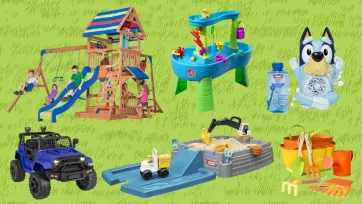
Best Outdoor Toys for Kids in 2026: The Ultimate Guide to Active and Healthy Play Outdoor play is one of the most important parts of childhood. Running across the garden, climbing, kicking a ball, riding a scooter, or inventing games with friends helps children stay active while building confidence, creativity, and social skills. In today's digital world, where many children spend increasing amounts of time indoors, outdoor toys provide the perfect reason to get outside and enjoy fresh air. The best outdoor toys don't simply entertain—they encourage movement, exploration, and learning. From ride-on vehicles and trampolines to sports equipment and water play toys, outdoor toys help children develop physically and mentally while creating unforgettable family memories. If you're looking for the best outdoor toys for kids in 2026, this complete guide will help you choose toys that combine fun, safety, and long-term value. Why Outdoor Play Is Essential Children are naturally active, and outdoor environments give them the freedom to explore, run, jump, climb, and discover new experiences. Regular outdoor play helps children: Build stronger muscles Improve balance Develop coordination Increase confidence Learn teamwork Reduce stress Improve sleep quality Outdoor activities also encourage children to spend less time in front of screens and more time engaging with the world around them. Benefits of Outdoor Toys Outdoor toys support healthy development in many different ways. Some of the biggest benefits include: Encourage daily exercise Improve gross motor skills Build physical strength Develop balance and coordination Improve social skills Encourage imaginative play Boost self-confidence Support emotional wellbeing Reduce screen time Children who play outdoors regularly are often more active, more creative, and more confident. Ride-On Toys Ride-on toys remain one of the most popular outdoor choices for children. Popular options include: Balance bikes Scooters Pedal cars Ride-on tractors Wiggle cars Battery-powered vehicles These toys improve coordination while encouraging children to stay physically active. Garden Play Equipment Large garden toys provide endless opportunities for adventure. Popular choices include: Climbing frames Slides Swings Playhouses Monkey bars Climbing domes These activities strengthen muscles while improving confidence and problem-solving skills. Trampolines Trampolines remain one of the best outdoor toys for active children. Jumping helps improve: Balance Coordination Leg strength Cardiovascular fitness Body awareness Modern trampolines with safety nets provide a safer jumping environment for children. Sports Toys Simple sports equipment encourages children to stay active while learning teamwork. Excellent outdoor sports toys include: Footballs Basketball hoops Cricket sets Tennis sets Rugby balls Badminton sets Family sports games also encourage communication and healthy competition. Water Play Toys Warm weather creates the perfect opportunity for water-based fun. Popular water toys include: Splash pads Water tables Water blasters Sprinklers Inflatable pools Water slides These toys help children stay cool while encouraging active play. Sand and Beach Toys Sand play encourages creativity and exploration. Children enjoy using: Buckets Spades Sand moulds Dump trucks Excavators Beach wagons Building castles and digging tunnels helps improve fine motor skills while encouraging imaginative play. Outdoor STEM Toys Learning doesn't stop outside. Outdoor STEM toys include: Nature exploration kits Magnifying glasses Bug catchers Gardening sets Binoculars Weather stations These activities encourage scientific curiosity while helping children appreciate nature. Garden Games for Families Outdoor games bring the whole family together. Popular choices include: Ring toss Giant dominoes Skittles Bean bag toss Giant chess Obstacle courses These games encourage teamwork, communication, and friendly competition. Choosing the Right Outdoor Toy Before buying, consider: Your child's age Available outdoor space Material quality Weather resistance Safety certifications Storage requirements A durable toy designed for outdoor use usually provides many years of enjoyment. Safety Tips Always choose outdoor toys that: Meet recognised safety standards Match your child's age Use weather-resistant materials Have smooth edges Include appropriate safety features Children should also wear suitable protective equipment, such as helmets when riding bikes or scooters. Common Buying Mistakes Parents sometimes buy outdoor toys without considering available space. Avoid: Oversized equipment for small gardens Poor-quality plastic Toys without safety certification Age-inappropriate designs Equipment requiring complicated maintenance Choosing quality over quantity usually provides the best value. Why Outdoor Toys Make Excellent Gifts Outdoor toys encourage healthy habits while creating lasting family memories. They're ideal for: Birthdays Christmas Summer holidays Family celebrations School achievement rewards Unlike many indoor toys, outdoor equipment encourages physical activity and group play for many years. Frequently Asked Questions What are the best outdoor toys for children? Ride-on toys, trampolines, swings, scooters, sports equipment, water tables, climbing frames, and garden games are among the best outdoor toys. Why are outdoor toys important? Outdoor toys encourage physical activity, improve coordination, strengthen muscles, build confidence, and reduce screen time. What outdoor toys are suitable for toddlers? Balance bikes, push cars, water tables, sand toys, bubble machines, and ride-on toys are excellent choices for toddlers. How can I encourage my child to play outdoors more? Choose toys that match your child's interests, join them during play, create simple outdoor challenges, and limit unnecessary screen time. Final Thoughts The best outdoor toys for kids in 2026 do far more than keep children entertained—they encourage healthier lifestyles, inspire creativity, and help children develop important physical and social skills through active play. Whether it's climbing, riding, splashing, digging, or playing family games, outdoor toys create opportunities for children to explore, learn, and grow. By investing in safe, durable, and age-appropriate outdoor toys, parents can encourage children to enjoy fresh air, stay active, and create childhood memories that will last a lifetime.
Best Toy Tool Sets for Kids in 2026
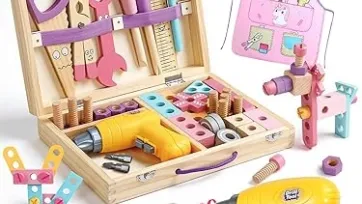
Best Toy Tool Sets for Kids in 2026: The Ultimate Guide to Creative Role Play Children love pretending to fix things. Whether they're repairing a toy car, building a treehouse, or helping Mum and Dad with imaginary home improvements, toy tool sets encourage creativity while teaching practical life skills through play. A simple plastic hammer and screwdriver can inspire hours of imaginative adventures, helping children develop confidence, coordination, and problem-solving abilities. In 2026, toy tool sets are more realistic than ever. Many include battery-powered toy drills, workbenches, safety helmets, tool belts, nuts and bolts, measuring tapes, and construction accessories designed to make children feel like real builders. These sets are suitable for toddlers, preschoolers, and older children who enjoy building and creating. If you're looking for a toy that combines fun with learning, this guide explains everything you need to know about the best toy tool sets for kids in 2026. Why Children Love Toy Tool Sets Children naturally enjoy copying adults. When they see parents repairing furniture, assembling shelves, or carrying out DIY projects, they want to join in. Toy tool sets allow children to safely pretend they are: Builders Carpenters Mechanics Engineers Electricians Home repair experts Every repair becomes an exciting adventure where imagination takes the lead. Benefits of Toy Tool Sets Tool sets support many areas of childhood development. Some of the biggest benefits include: Encourage imaginative play Improve fine motor skills Strengthen hand-eye coordination Build problem-solving skills Improve concentration Encourage independent play Develop creativity Build confidence Reduce screen time Children also learn persistence by solving simple building challenges. Toy Tool Sets for Toddlers Young children benefit from large, lightweight tools that are easy to hold. Beginner sets usually include: Hammer Screwdriver Spanner Wooden nails Toy screws Storage toolbox These simple tools improve grip strength while introducing basic construction concepts. Wooden Tool Sets Wooden tool toys remain one of the most popular choices for families. Parents appreciate them because they are: Durable Eco-friendly Safe Long-lasting Beautifully designed Their simple construction encourages children to focus on imaginative play rather than electronic features. Plastic Tool Sets Modern plastic tool sets often include realistic functions. Popular accessories include: Toy drills Measuring tapes Wrenches Pliers Tool belts Safety goggles Nuts and bolts Many battery-powered drills safely rotate to imitate real tools without creating danger. Toy Workbenches A workbench creates an exciting building station for young engineers. Many include: Storage shelves Vice clamps Pegboards Tool racks Assembly areas Children enjoy building, repairing, and organising their equipment just like real tradespeople. Construction Role Play Tool sets naturally encourage storytelling. Children pretend to: Build houses Repair bicycles Fix furniture Construct bridges Service vehicles Help neighbours Role play encourages communication while improving creativity and social skills. Educational Benefits Toy tools introduce children to practical problem-solving. They begin learning about: Shapes Matching Organisation Sequencing Cause and effect Engineering Many construction activities also strengthen mathematical thinking through measuring and counting. Toy Tool Sets Encourage Teamwork Children often enjoy construction projects with siblings or parents. Working together encourages: Sharing Cooperation Communication Leadership Creative thinking Building projects become even more enjoyable when everyone contributes ideas. Choosing the Right Tool Set Before buying, consider: Your child's age Material quality Number of accessories Safety certifications Storage options Durability Choose sets that encourage open-ended play instead of toys with only one function. Safety Tips Always choose tool sets that: Meet recognised safety standards Use non-toxic materials Have rounded edges Match the recommended age Avoid small detachable parts for younger children Regularly inspect tools for damage or loose pieces. Common Buying Mistakes Many parents buy tool sets based only on appearance. Avoid: Fragile plastic Sharp edges Poor-quality moving parts Tiny accessories for toddlers Weak storage cases High-quality sets often last for many years of active play. Why Toy Tool Sets Make Excellent Gifts Tool sets remain one of the most practical pretend play gifts available. They're perfect for: Birthdays Christmas Nursery gifts Playroom upgrades Family celebrations Children often return to construction play again and again because every project is different. Frequently Asked Questions What is the best toy tool set for children? The best tool sets include durable tools, a sturdy toolbox or workbench, and realistic accessories designed for your child's age. At what age can children use toy tool sets? Simple tool sets with large pieces are suitable from around two years old, while more advanced workbenches are designed for preschool and primary-aged children. Are toy tool sets educational? Yes. They encourage creativity, problem-solving, hand-eye coordination, fine motor development, communication, and imaginative role play. Should I choose wooden or plastic tool sets? Wooden tool sets are durable and environmentally friendly, while plastic sets often include interactive features such as rotating toy drills and realistic construction accessories. Final Thoughts The best toy tool sets for kids in 2026 encourage children to build, repair, and imagine through creative role play. Whether they're constructing a pretend house, fixing a racing car, or organising a busy workshop, these toys help develop practical skills while encouraging confidence and curiosity. By choosing a high-quality toy tool set with safe materials and durable construction, parents can provide children with endless opportunities for imaginative, educational, and screen-free play.
Best Bath Toys for Kids in 2026
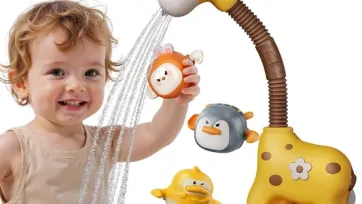
Best Bath Toys for Kids in 2026: Safe, Fun and Educational Choices for Splash Time Bath time doesn't have to be a daily struggle. With the right bath toys, it can become one of the most enjoyable parts of your child's routine. From floating animals and water wheels to interactive fountains and educational stacking cups, bath toys transform ordinary washing into an exciting learning experience. In 2026, parents are looking for bath toys that are not only entertaining but also safe, durable, and easy to clean. The best bath toys encourage sensory development, imaginative play, and fine motor skills while helping children feel relaxed and confident in the water. Whether you have a curious baby, an energetic toddler, or a preschooler who loves water play, this guide will help you choose the best bath toys for every age. Why Bath Toys Are Important Many young children dislike bath time because it interrupts play or feels unfamiliar. Bath toys help create a positive association with water by turning bathing into a fun activity rather than a daily chore. Children who enjoy bath time are often more willing to wash their hair, clean themselves, and develop healthy hygiene habits from an early age. Bath toys also encourage exploration, imagination, and independent play in a safe environment. Benefits of Bath Toys Quality bath toys support both learning and development. Some of the biggest benefits include: Encourage sensory play Improve hand-eye coordination Develop fine motor skills Support imaginative play Build confidence around water Improve problem-solving Reduce bath-time anxiety Encourage independent play Make hygiene routines enjoyable Parents also find bath time much less stressful when children are happily engaged. Floating Bath Toys Floating toys remain one of the most popular bath time favourites. Children enjoy playing with: Rubber ducks Boats Sea animals Fish Whales Turtles Floating toys encourage imaginative storytelling while introducing children to different aquatic animals. Stacking Cups Simple stacking cups provide endless learning opportunities during bath time. Children can: Pour water Fill containers Empty cups Stack towers Compare sizes These activities introduce basic science concepts such as volume, gravity, and water flow while improving coordination. Water Wheels and Waterfalls Water wheels create exciting cause-and-effect learning. Children pour water into the top and watch colourful wheels spin as the water flows through different channels. These toys help develop: Observation skills Problem-solving Hand control Curiosity They also introduce simple engineering concepts through play. Bath Books Waterproof bath books encourage early reading while children enjoy splashing in the bath. Many feature: Bright illustrations Animals Numbers Alphabet letters Ocean creatures Reading during bath time helps establish positive learning routines from an early age. Spray and Fountain Toys Interactive bath toys that spray water or create fountains are increasingly popular. These toys encourage children to experiment with water movement while improving coordination and sensory awareness. Many battery-operated models also include colourful lights and gentle water effects designed specifically for bath play. Bath Toys for Babies Babies benefit from simple toys that are easy to hold and explore. Excellent choices include: Soft floating animals Silicone bath toys Textured balls Water-safe rattles Floating rings Choose lightweight toys that are free from small detachable parts. Bath Toys for Toddlers Toddlers enjoy more interactive water activities. Popular options include: Pouring cups Water mills Floating puzzles Bath basketball sets Fishing games Water squirters These toys encourage active play while developing coordination and confidence. Educational Bath Toys Bath time can become an excellent learning opportunity. Educational bath toys help children practise: Counting Colours Alphabet letters Shape recognition Animal names Matching games Many foam bath letters and numbers stick to wet bathroom tiles, creating enjoyable educational activities. Choosing Safe Bath Toys Safety should always be your highest priority. Choose bath toys that: Are BPA-free Use non-toxic materials Meet recognised safety standards Have smooth edges Match your child's age Avoid toys with small detachable parts that could present a choking hazard. Preventing Mould Inside Bath Toys One of the biggest concerns with bath toys is mould growth inside hollow toys. To reduce this risk: Choose toys without drainage holes where possible. Empty water after every bath. Rinse with clean water regularly. Allow toys to dry completely. Clean them weekly using child-safe cleaning methods. Proper maintenance keeps bath toys safe and hygienic. How to Clean Bath Toys Regular cleaning helps extend the life of bath toys. Simple cleaning tips include: Wash with warm soapy water. Rinse thoroughly. Dry completely after each use. Store in a ventilated basket. Replace damaged or mouldy toys immediately. Keeping toys dry between baths greatly reduces bacteria and mould. Common Buying Mistakes Parents sometimes buy bath toys based purely on appearance. Avoid: Cheap toys made from unsafe materials Toys that trap water easily Toys with sharp edges Complex electronic toys that aren't fully waterproof Age-inappropriate products Quality always matters more than quantity. Why Bath Toys Make Excellent Gifts Bath toys make thoughtful gifts for birthdays, baby showers, Christmas, and first birthdays. Parents appreciate practical gifts that children use every day, especially toys that make daily routines easier and more enjoyable. Bath toys are also easy to combine into themed gift baskets with towels, bath books, and child-friendly toiletries. Frequently Asked Questions What are the best bath toys for children? Floating animals, stacking cups, water wheels, bath books, foam letters, fishing games, and pouring toys are among the best bath toys available. Are bath toys safe for babies? Yes. Choose age-appropriate bath toys made from BPA-free, non-toxic materials with no small detachable parts. How often should bath toys be cleaned? Rinse them after every bath, allow them to dry completely, and clean them thoroughly at least once a week. How can I stop mould growing inside bath toys? Choose sealed toys where possible, empty trapped water immediately after use, allow toys to dry fully, and replace damaged toys if mould develops. Final Thoughts The best bath toys for kids in 2026 turn an everyday routine into an exciting opportunity for learning, creativity, and fun. From floating ducks and stacking cups to educational foam letters and interactive water wheels, the right bath toys encourage children to enjoy water while developing important physical and cognitive skills. By choosing safe, durable, and easy-to-clean bath toys, parents can create positive bath-time experiences that children look forward to every day. A few well-chosen toys can transform splashing into meaningful learning while making family routines smoother and more enjoyable.
Educational Toy Subscription Boxes: Which One Is Worth the Cost?
Educational toy subscription boxes promise something most parents want: age-appropriate activities delivered regularly without spending hours searching for new ideas. Every month—or every few months—a box arrives with science experiments, craft projects, books, building materials, puzzles, or learning games. The child gets something new to explore, while the parent avoids another trip through crowded toy aisles. It sounds convenient. But are educational subscription boxes actually worth the cost? The answer depends on what is inside the box, how often the child uses it, whether the materials can be reused, and how much the subscription costs after shipping, taxes, and automatic renewals. A $25 monthly box may appear affordable. Over a year, however, it becomes a $300 purchase. If the child finishes each activity in twenty minutes and never touches it again, the value may be poor. If the box provides several projects, reusable tools, and weeks of engagement, it may be a smart investment. This guide explains how educational toy subscriptions work, which types suit different children, and how parents can decide whether a subscription is worth paying for. How Educational Toy Subscription Boxes Work Most learning subscription services follow a similar model. Parents choose: The child’s age A subject or theme Monthly or quarterly delivery Subscription duration Number of children Optional add-ons The company then sends a box containing activities selected for that age group. Some subscriptions focus on a single subject, such as science or coding. Others combine crafts, books, geography, puzzles, and pretend play. Payment may be charged monthly, every three months, every six months, or annually. Longer plans often reduce the price per box, but they also require a larger upfront payment. What Usually Comes Inside? The contents depend on the subscription category, but a typical educational box may include: Activity instructions Craft supplies Science materials Building pieces Worksheets Storybooks Stickers Collectible cards Puzzles Parent guides Online videos Access to an application Some boxes provide nearly everything required. Others ask parents to supply common household items such as scissors, water, tape, baking soda, cooking oil, batteries, or coloring tools. Always read the “what is included” section before subscribing. A box advertised as containing five projects may become inconvenient if each activity requires several extra purchases. The Five Main Types of Learning Subscription Boxes Not every subscription serves the same purpose. Choosing the right category matters more than selecting the most heavily advertised brand. 1. STEM and Science Boxes STEM subscription boxes usually contain experiments, engineering challenges, electronics, robotics, or building activities. They are best suited for children who enjoy discovering how things work. A typical box may ask the child to: Build a small machine Create a chemical reaction Construct a bridge Design a moving vehicle Test magnets Explore electricity Grow crystals Study weather These subscriptions can provide strong educational value when the instructions explain the science behind each activity. Avoid boxes that rely only on dramatic reactions without teaching the child what happened. Best for Children who like experiments, building, technology, and problem-solving. Possible weakness Some projects are completed once and cannot be reused. 2. Arts and Crafts Boxes Craft subscriptions provide materials for painting, sewing, sculpting, decorating, drawing, or making themed objects. These boxes can be useful for parents who do not want to purchase large packets of supplies separately. A well-designed craft box may support: Fine motor skills Creativity Following instructions Color recognition Planning Self-expression However, some craft boxes leave very little room for creativity. The child is expected to copy one example exactly. Open-ended materials generally provide more value than projects in which every child produces the same object. Best for Children who enjoy making, decorating, and working with their hands. Possible weakness Finished crafts may quickly create clutter around the home. 3. Book Subscription Boxes Book boxes send one or more titles selected according to the child’s age or reading level. Some also include bookmarks, activity sheets, toys, or themed accessories. These subscriptions can encourage regular reading, especially when the child enjoys receiving a package addressed to them. Before subscribing, check whether parents can: Select reading levels Avoid duplicate books Choose fiction or nonfiction Update interests Preview upcoming titles Exchange unsuitable books A book subscription may offer poor value if the family already uses a public library regularly or purchases discounted books. Best for Children who enjoy stories or need encouragement to read consistently. Possible weakness The selected books may not match the child’s interests. 4. Geography and Culture Boxes Geography boxes introduce children to countries, languages, landmarks, food, animals, maps, and cultural traditions. A box may focus on one destination each month. It might include: A country guide A map Recipes Flags Stories Craft projects Language words Collectible items These subscriptions can make geography more engaging, but parents should check that the material is accurate and respectful. Culture should not be reduced to stereotypes, costumes, or a few foods. Best for Children interested in travel, maps, languages, and world cultures. Possible weakness Some boxes include more souvenirs than meaningful educational material. 5. Montessori and Preschool Boxes Preschool subscription boxes usually focus on early literacy, numbers, shapes, colors, sensory activities, and fine motor development. They may include sorting tasks, flash cards, puzzles, matching games, or simple craft projects. Parents should not assume that every box using the word “Montessori” follows authentic Montessori principles. A genuine Montessori-style activity should usually be hands-on, purposeful, simple, and appropriate for the child’s stage of development. Best for Toddlers and preschoolers who need structured learning activities at home. Possible weakness Many activities can be recreated more cheaply with household materials. How Much Do Subscription Boxes Really Cost? The advertised monthly price is only part of the total cost. Parents should calculate: Box price + shipping + tax + add-ons + international charges + renewal cost For example: Monthly box price: $30 Shipping: $6 Tax: $2 Total monthly cost: $38 Total annual cost: $456 A yearly prepayment may reduce the cost to $26 per box, but the parent may need to pay more than $300 at once. Also check whether the company renews the plan automatically. Some services offer an introductory discount for the first box and then charge the full rate for every later delivery. Cost Per Activity Matters More Than Cost Per Box A better way to compare subscriptions is to calculate the cost per meaningful activity. Imagine two boxes. Box A Costs $24 Contains two short crafts Total use time: one hour Cost per activity: $12 Box B Costs $35 Contains five experiments Includes reusable equipment Total use time: six hours Cost per activity: $7 Although Box B is more expensive, it may provide better overall value. Parents should also consider whether the materials can be used again. A circuit board, microscope, building set, or quality art tool may remain useful after the original activity is complete. Are Subscription Boxes Cheaper Than Buying Toys Separately? Sometimes—but not always. Subscription companies may purchase supplies in bulk and package them conveniently. This can save parents time and reduce the need to buy full-size materials. However, parents are also paying for: Packaging Product selection Printed instructions Branding Delivery Convenience Marketing Families willing to plan activities themselves can often create similar projects at a lower cost. The subscription is most valuable when convenience, variety, and structured guidance are important to the parent. When a Subscription Box Is Worth It An educational subscription may be a good purchase when: The child regularly completes hands-on activities The projects match the child’s interests The parent wants structured learning at home Most materials are included The activities require little setup The box offers multiple projects Some tools can be reused The instructions explain the learning concept The child looks forward to each delivery The cost fits comfortably within the family budget It may also be useful for homeschooling families, rainy-day activities, school holidays, or grandparents who want to send regular educational gifts. When It Is Probably a Waste of Money A subscription may not be worthwhile when: Previous activity kits remain unopened The child loses interest quickly The projects are too easy The box creates unnecessary clutter Most supplies must be purchased separately Shipping is unusually expensive The family already owns similar materials The activities are available free online Cancellation is difficult The subscription renews automatically without clear notice Children sometimes enjoy the excitement of opening the package more than the activities inside it. Parents should judge the subscription based on actual use, not the child’s reaction when the box first arrives. Monthly vs Quarterly Delivery Monthly delivery is exciting, but it may be too frequent for busy families. If one box arrives before the previous projects are completed, the activities can begin to pile up. Quarterly subscriptions may offer better value for families with limited time. They provide: Fewer deliveries Less clutter More time to complete each box Lower annual spending Less pressure to keep up Monthly plans may suit children who complete projects quickly and regularly ask for new activities. One Child or Multiple Children? Some subscription boxes can be shared, while others contain only enough material for one child. Parents with siblings should check: Whether extra material packs are available Whether projects can be completed together Whether each child needs separate tools Whether age levels can be mixed Whether sibling add-ons cost less than a second subscription A box that costs $35 for one child may become expensive if every project requires an additional $15 sibling pack. Sharing works best when the activity naturally supports cooperation. Questions to Ask Before Subscribing Do not purchase a yearly plan until these questions have been answered. What Is the Cancellation Policy? Find out whether cancellation takes effect immediately or only after the current prepaid term ends. Does the Subscription Renew Automatically? Automatic renewal should be clearly disclosed. Record the renewal date when purchasing a long-term plan. Can the Child’s Age Level Be Changed? A good service should allow parents to move the child to a more advanced level. Can Boxes Be Paused? Pause options are helpful during holidays, travel, school examinations, or busy periods. Are Returns or Replacements Available? Check what happens if materials arrive damaged, incomplete, or missing. Are Digital Features Included? Some boxes advertise online lessons but require an additional payment for full access. Is Shipping Included? Free shipping may only apply within one country or above a certain subscription length. Try One Box Before Buying a Year The safest approach is to begin with a single box or short subscription. Observe: How quickly the child opens it Whether instructions are understandable How much adult help is needed How long the activities last Whether the child asks to use it again Whether the materials feel worth the price Do not choose an annual plan only because the per-box price is lower. Saving $5 per box is not a saving if eight boxes remain unused. How to Get More Value From Each Box Parents can extend the life of a subscription by avoiding the urge to complete everything in one day. Try these strategies: Complete one activity each weekend Save reusable tools in a labeled container Ask the child to modify the project Connect the activity with a book or video Repeat experiments with changed conditions Photograph results Keep a science or project journal Let siblings work together Use leftover materials for free play A bridge-building activity, for example, should not end when the sample bridge is finished. Ask the child to build a longer bridge, a stronger bridge, or one using fewer materials. That turns a single project into several engineering challenges. Subscription Box Alternatives Families do not need a paid subscription to create regular educational activities. Lower-cost alternatives include: Public library books Printable worksheets Household science experiments Reusable building sets Secondhand educational toys Local museum kits School activity packs Art supplies purchased in bulk Parent-created monthly themes Toy libraries Parents can also create a homemade subscription box. Place several small activities in a container at the beginning of each month and let the child choose one each weekend. This provides the excitement of discovery without recurring shipping fees. Best Choice by Family Type Best for Busy Parents Choose a box that includes nearly all materials and requires minimal preparation. Best for Homeschooling Look for structured lessons, clear learning goals, printable extensions, and activities connected to a curriculum. Best for Creative Children Choose an open-ended art or maker box rather than a kit with one fixed result. Best for Future Scientists Select experiment boxes that explain scientific principles and include reusable equipment. Best for Siblings Choose collaborative projects with generous quantities of materials. Best for a Gift A three-month plan is usually safer than a full-year commitment. The Verdict Educational toy subscription boxes can be worth the cost, but convenience is often the main product being sold. The box itself may contain inexpensive materials. What parents are paying for is the planning, selection, instructions, packaging, and regular delivery. That can be valuable for families who need fresh, structured activities and will use them consistently. For most first-time buyers, the smartest option is not a twelve-month subscription. Start with one box or a three-month plan. Calculate the real cost, including delivery, and observe how much meaningful use the child gets from each package. The best educational subscription is not the one with the most attractive box. It is the one that gets opened, completed, discussed, reused—and remembered.
Best STEM Toys for Kids in 2026
Best STEM Toys for Kids in 2026 Science and technology are shaping the future, and today's children are growing up in a world where creativity, critical thinking, and problem-solving are more important than ever. One of the best ways to introduce these skills at an early age is through STEM toys. Designed to make learning fun, STEM toys encourage children to experiment, build, invent, and explore while playing. Unlike traditional toys that may only entertain for a short time, STEM toys challenge children to think, ask questions, and discover solutions on their own. Whether it's building a robot, creating simple machines, conducting science experiments, or learning basic coding, these toys transform playtime into an exciting educational adventure. If you're searching for the best STEM toys for kids in 2026, this guide will help you understand their benefits, different types, and how to choose the right one for your child's age and interests. What Are STEM Toys? STEM stands for Science, Technology, Engineering, and Mathematics. STEM toys are designed to teach these subjects through interactive, hands-on activities rather than traditional classroom learning. Instead of memorizing facts, children learn by experimenting, building, testing, and solving problems. This approach makes learning more engaging and helps children develop confidence in their abilities. Many STEM toys are suitable for both independent play and family activities, making learning even more enjoyable. Why STEM Toys Are Important The world is becoming increasingly driven by technology and innovation. Children who develop analytical thinking and creativity at an early age often find it easier to adapt to future educational and career opportunities. STEM toys encourage children to become active learners. Instead of simply following instructions, they investigate how things work, make mistakes, improve their designs, and celebrate their achievements. These experiences help build curiosity that extends beyond playtime into everyday life. Benefits of STEM Toys STEM toys offer much more than educational value. They help children develop: Critical thinking Problem-solving skills Creativity Logical reasoning Hand-eye coordination Fine motor skills Patience Teamwork Confidence Communication skills These abilities support success in school while preparing children for future challenges. Building Sets Encourage Engineering Skills Construction toys are among the most popular STEM toys because they allow children to design and build their own creations. Children can experiment with balance, structure, and stability while constructing: Towers Bridges Vehicles Castles Robots Cities Building projects encourage trial and error, teaching children that mistakes are an important part of learning. Coding Toys Make Programming Easy Coding may sound complicated, but many STEM toys introduce programming using simple games and colorful building blocks. Instead of typing computer code, younger children learn through visual instructions that teach sequencing and logical thinking. Coding toys help children develop: Planning skills Logical reasoning Pattern recognition Creative problem-solving These early experiences create a strong foundation for future technology learning. Robotics Kits Inspire Innovation Robotics combines science, engineering, and technology into one exciting activity. Children enjoy assembling robots, programming movements, and watching their creations come to life. Many beginner robotics kits include easy-to-follow instructions, making them suitable even for children with no previous experience. Robotics also encourages persistence because children often improve their designs through repeated experimentation. Science Experiment Kits Spark Curiosity Children naturally love asking questions about the world around them. Science experiment kits help answer those questions through safe, hands-on activities. Popular experiments include: Volcano models Crystal growing Water experiments Magnet investigations Electricity projects Weather demonstrations These activities make scientific concepts easier to understand while encouraging curiosity. Mathematics Becomes More Enjoyable Many children struggle with mathematics when learning feels repetitive. STEM toys introduce mathematical thinking through games and practical activities. Children practice: Counting Measuring Sorting Patterns Shapes Geometry Basic calculations Learning becomes much more enjoyable when mathematics is connected to real-world activities. STEM Toys Improve Problem-Solving Every STEM activity presents a challenge. A bridge may collapse. A robot may not move correctly. A puzzle may seem impossible. Children learn to observe the problem, test different solutions, and improve their ideas until they succeed. These experiences build resilience and confidence while teaching that failure is often the first step toward success. Best STEM Toys for Preschoolers Young children enjoy simple STEM activities that encourage exploration. Popular choices include: Magnetic building tiles Wooden construction sets Shape sorters Beginner science kits Counting games Marble runs These toys introduce basic STEM concepts without overwhelming children. Best STEM Toys for School-Age Kids As children grow older, they enjoy more challenging activities. Excellent STEM toys include: Robotics kits Coding games Engineering construction sets Circuit-building kits Advanced science laboratories Mechanical building projects These toys encourage independent learning while keeping children engaged for longer periods. STEM Toys and Creativity Many people assume STEM only focuses on science and mathematics. In reality, creativity plays an essential role. Children constantly design, invent, improve, and imagine new possibilities while working on STEM projects. There is rarely only one correct answer, encouraging flexible thinking and innovation. STEM Toys vs Traditional Educational Toys Both categories provide valuable learning opportunities. Traditional educational toys often focus on reading, counting, colors, and language development. STEM toys expand learning by encouraging experimentation, engineering, scientific thinking, and technology skills. Many parents choose a combination of both to create a balanced learning environment. Choosing the Right STEM Toy Before buying a STEM toy, consider: Your child's age Current interests Skill level Safety features Ease of use Opportunities for long-term learning The best STEM toy should challenge children without causing frustration. Safety Tips for Parents As with all toys, safety is important. Choose STEM toys that: Match your child's age. Use non-toxic materials. Include clear instructions. Have durable construction. Meet recognized safety standards. Adult supervision may be helpful during science experiments or activities involving small parts. Common Mistakes When Buying STEM Toys Parents sometimes buy STEM toys that are either too simple or far too advanced. Avoid: Buying based only on popularity. Ignoring age recommendations. Choosing poor-quality materials. Expecting immediate results. Purchasing toys your child has no interest in. Selecting toys that match your child's curiosity usually leads to the best experience. Why STEM Toys Make Excellent Gifts STEM toys are thoughtful gifts because they combine learning with entertainment. Whether for birthdays, holidays, or special occasions, they encourage children to build, invent, explore, and solve problems while having fun. Parents also appreciate gifts that continue providing educational value long after the excitement of opening the box has passed. Frequently Asked Questions What are STEM toys? STEM toys are educational toys that teach Science, Technology, Engineering, and Mathematics through hands-on activities and interactive learning. At what age can children start using STEM toys? Many STEM toys are designed for children as young as three years old, with more advanced options available for older kids and teenagers. Do STEM toys help children perform better in school? Yes. STEM toys encourage critical thinking, creativity, concentration, and problem-solving skills that support classroom learning. Are STEM toys only for children interested in science? No. STEM toys are designed for all children and help develop valuable life skills regardless of future career interests. Final Thoughts STEM toys are more than just educational products—they are tools that inspire curiosity, creativity, and confidence. By encouraging children to experiment, build, invent, and solve real-world challenges, these toys make learning enjoyable while preparing young minds for the future. Whether you choose a robotics kit, coding game, science experiment set, engineering construction kit, or magnetic building blocks, the right STEM toy can turn every play session into an exciting opportunity for discovery. Investing in quality STEM toys today helps children develop skills that will benefit them for years to come.
The Five-Minute Rule
The Five-Minute Rule: Why Children Abandon Some Toys Almost Immediately Introduction Watch a child receive a brand-new toy. For the first few minutes, the excitement is impossible to miss. The packaging is torn open. Buttons are pressed. Pieces are explored. Questions are asked. Everything suggests this new toy is about to become an instant favourite. Then something unexpected happens. Five minutes later, the toy is sitting quietly on the carpet while the child has wandered off to build a fort with sofa cushions or create a pretend café using kitchen utensils. What changed? Did the toy suddenly become boring? Did the child lose interest? Or was something else happening all along? Many parents assume short attention spans are the reason children quickly abandon certain toys. While attention certainly plays a role, the real explanation is often much more interesting. The first five minutes of play reveal something important about the design of a toy—and about the way children naturally learn. The First Five Minutes Are About Discovery Every new toy begins with exploration. Children examine its shape. They discover moving parts. They test buttons. They investigate sounds, textures and colours. During this stage, curiosity is at its highest. Everything is unfamiliar. Everything feels exciting. Toy designers work incredibly hard to make this first impression memorable. Bright colours, interesting textures and surprising features all compete for a child's attention. But first impressions are only the beginning. What Happens After Curiosity Fades? Eventually, every child reaches the same question. "Now what?" This is where many toys quietly reveal their biggest weakness. If every feature has already been discovered, there's little left for the child to contribute. The toy continues performing. The child simply watches. Open-ended toys follow a completely different path. Once the initial exploration ends, the real play begins. Instead of asking the toy for entertainment, children begin supplying their own ideas. A handful of wooden blocks suddenly becomes an airport. Magnetic tiles become a castle. Toy animals organise a safari. The excitement shifts from discovering the toy to creating something new with it. The Difference Between Surprise and Possibility Some toys rely almost entirely on surprise. Lights. Music. Movement. Secret compartments. Hidden buttons. Surprises are wonderful—but they only happen once. Possibility is different. Possibility never runs out. A cardboard box has almost no surprises. Yet children regularly spend hours with one because every new idea creates another possibility. That's why many of the simplest toys remain favourites long after complex gadgets have been forgotten. Children Don't Actually Get Bored That Quickly Parents often say, "My child gets bored after five minutes." More accurately, children become bored when a toy stops asking anything of them. If every action produces the same result, curiosity naturally fades. When toys encourage children to imagine, experiment and solve problems, attention often lasts much longer than adults expect. The child hasn't changed. The opportunity to create has. A Simple Test Every Parent Can Try The next time your child receives a new toy, don't judge it by the first reaction. Instead, quietly observe what happens after the excitement settles. Ask yourself: Are they inventing new ways to play? Are they combining the toy with other toys? Are they telling stories? Do they return to it later without being reminded? The answers often tell you far more about the toy than any advertisement ever could. Replay Value Is the Real Measure of a Great Toy Think about the toys that remain on the floor week after week. They're rarely the ones with the most impressive demonstrations in the shop. Instead, they're the toys that offer children a reason to come back. Replay value isn't about doing the same thing repeatedly. It's about discovering something new each time. A set of magnetic tiles can become a bridge one afternoon and a rocket the next. A box of wooden blocks might start as a tower before turning into a zoo, a city or a pirate island. The toy stays familiar. The play never does. That's why replay value is often a better indicator of quality than price, size or the number of features. How Parents Can Use the Five-Minute Rule Before Buying You don't need to be an expert in child development to choose better toys. Next time you're shopping, imagine your child has already spent five minutes with the toy. Then ask yourself: What could they do next? Can they create their own game? Will they combine it with other toys? Does it encourage imagination or simply demonstrate features? If it's difficult to answer those questions, the toy may depend too heavily on its initial excitement. The strongest toys usually leave plenty of room for the child to take control. Why Simplicity Often Wins Modern toys are remarkable. Many include sounds, movement, technology and interactive features that would have seemed impossible only a generation ago. Yet children still fall in love with surprisingly simple things. A handful of blocks. A toy farm. A train set. A basket of animal figures. Why? Because simple toys don't try to entertain children every second. Instead, they invite children to become the storyteller, the engineer, the explorer or the architect. The child becomes the most important feature of the toy. A Better Question Than "Is It Worth the Money?" Parents often ask whether a toy is worth its price. A more useful question is: "Will my child still choose this toy when nobody suggests it?" That's when you discover its true value. A toy that repeatedly attracts a child's attention without reminders has earned its place. It has become part of everyday play rather than just another purchase. What This Means for Future Toy Shopping The next time you're standing in a toy shop, don't be distracted by impressive packaging or flashy demonstrations. Picture your child at home a week later. Will they still be inventing new games? Will the toy inspire fresh ideas? Or will it simply repeat the same actions until curiosity fades? Parents who think beyond the first five minutes often make choices that provide far more lasting enjoyment. Frequently Asked Questions Why do children stop playing with new toys so quickly? Once the novelty wears off, toys with limited ways to play can become predictable. Toys that encourage imagination and creativity tend to keep children engaged for much longer. What does replay value mean? Replay value refers to how often a child voluntarily returns to a toy because it continues offering new possibilities for play. Are simple toys better than complicated ones? Not always, but simple, open-ended toys often provide greater flexibility, allowing children to invent different games as they grow. How can I tell if a toy has lasting appeal? Consider whether your child can use it in multiple ways, combine it with other toys and continue discovering new ideas over time. Should I avoid electronic toys completely? No. Many electronic toys have genuine educational benefits. The key is balancing them with toys that encourage creative, child-led play. Final Thoughts The first five minutes can be exciting. They can also be misleading. Almost every new toy captures a child's attention at first. Only a few continue capturing their imagination days, weeks and months later. That's the difference between a toy that entertains and a toy that becomes part of childhood. The next time you see your child quietly returning to the same set of blocks, the familiar train track or a favourite collection of animal figures, don't mistake it for routine. You're witnessing something much more valuable. You're watching a child choose creativity over novelty. And that's exactly the kind of play that leaves the longest-lasting memories.
Travel Toys for Toddlers and Young Children
 Travel Toys for Toddlers and Young Children: The Ultimate Parent's Guide to Stress-Free Journeys Ask any parent about travelling with a toddler, and you'll probably hear the same answer: the journey is often harder than the destination. Whether you're driving for two hours to visit grandparents, waiting at an airport for a delayed flight or taking a long train journey during the school holidays, young children can quickly become restless. Sitting still isn't something that comes naturally to them. Before long, boredom turns into frustration, and what should have been an exciting family trip can become exhausting for everyone. The good news is that the right travel toys can completely change the experience. Travel toys are designed to keep children entertained, curious and engaged while taking up very little space. More importantly, the best ones do much more than simply pass the time. They encourage creativity, improve concentration and support learning without relying on tablets or smartphones. Parents often assume they need to pack dozens of toys "just in case". In reality, a handful of carefully chosen travel toys usually works far better than an overstuffed backpack filled with items children barely touch. In this guide, you'll discover how to choose travel toys that children genuinely enjoy, which features matter most, how to avoid common buying mistakes and why simple toys often outperform expensive electronic gadgets. Why Travel Feels Different for Young Children Adults usually see travelling as part of the adventure. Children see it differently. They're expected to stay seated for long periods, follow unfamiliar routines and cope with busy, noisy environments. Even the most patient child can become overwhelmed after an hour or two. That is why travel toys should do more than distract. They should help children feel comfortable, confident and occupied while allowing parents to relax a little too. What Makes a Good Travel Toy? Not every toy belongs in a travel bag. A large construction set with hundreds of tiny pieces might be brilliant at home but quickly becomes a nightmare in a car or airport lounge. The best travel toys usually share a few important qualities: Lightweight and easy to carry. Compact enough to fit inside a backpack. Durable enough to survive frequent travel. Quiet enough for public spaces. Easy to clean. Capable of holding a child's attention for longer than a few minutes. If a toy can be dropped once without breaking and packed away in seconds, it's already ahead of many alternatives. Benefits of Travel Toys A thoughtfully packed travel toy isn't just about keeping children busy. It can make the entire journey more enjoyable for the whole family. Less Stress for Parents Every parent knows that boredom often leads to complaints, arguments and frustration. Interesting toys help prevent many of these situations before they begin. Longer Attention Spans Children who become absorbed in a puzzle, activity book or creative toy are less likely to ask every five minutes, "Are we there yet?" Encourages Independent Play One of the biggest advantages of travel toys is that children learn to entertain themselves. Parents don't need to become the full-time entertainer throughout the journey. Supports Learning Many travel toys naturally encourage counting, storytelling, matching, drawing or problem-solving. Children continue learning while believing they are simply having fun. Reduces Screen Time Digital devices have their place, particularly during very long journeys, but they don't need to become the only source of entertainment. Travel toys offer a healthier balance between technology and hands-on play. The Best Travel Toys for Toddlers Toddlers need simple activities that are easy to understand and difficult to lose. Some excellent options include: Chunky board books Reusable sticker books Water-reveal colouring books Large magnetic drawing boards Soft fabric activity books Finger puppets Shape matching games Stacking cups Sensory toys Soft dolls The aim is to provide toys that can be used independently without creating unnecessary mess. Travel Toys for Preschool Children Preschool children enjoy activities that challenge their imagination while remaining portable. Great choices include: Magnetic puzzles Small construction toys Storytelling cards Activity books Compact board games Lacing activities Reusable colouring pads Toy animals Simple card games Travel-friendly craft kits Many parents discover that one engaging activity can provide far more entertainment than several less interesting toys. Travel Toys for School-Age Children Older children usually appreciate toys that require thinking, creativity or strategy. Some excellent examples are: Logic puzzles Crossword books Sketchbooks Card games Travel chess or draughts Compact building sets Brain teaser puzzles Creative writing journals Foldable board games Educational quiz cards Children in this age group often enjoy being involved in choosing which toys to pack before travelling. How Many Travel Toys Should You Pack? One of the biggest mistakes parents make is filling an entire bag with toys. It sounds like a sensible idea, but too many choices often have the opposite effect. Children quickly move from one toy to another without becoming fully engaged with any of them. A better approach is to pack a small collection of carefully selected activities. For most journeys, this is usually enough: One creative activity, such as a colouring or drawing pad. One problem-solving toy, such as a puzzle. One imaginative toy, such as a few animal figures or finger puppets. One comfort item, especially for younger children. One "surprise" toy that isn't revealed until later in the journey. Introducing a new activity every hour or so keeps the experience fresh without overwhelming your child. Creating the Perfect Travel Activity Bag Instead of throwing toys into a backpack at the last minute, prepare a dedicated travel kit that stays ready for family trips. A well-organised travel bag might include: A reusable water colouring book Washable crayons A small notebook Magnetic puzzles Reusable sticker scenes A compact card game Healthy snacks Wet wipes Spare zip-lock bags for storage A lightweight blanket or comfort toy Keeping everything in one place saves time and prevents frantic searching during the journey. Screen Time vs Travel Toys Many parents wonder whether they should simply hand over a tablet during long trips. There's no universal right or wrong answer. Screens can be useful during lengthy flights or unexpected delays, but relying on them from the start often means children lose interest in other activities. A balanced approach usually works best. Begin the journey with books, puzzles, drawing activities or imaginative toys. If the trip is particularly long, digital entertainment can be introduced later as one part of a varied travel routine rather than the entire experience. Buying Guide Travel toys don't need to be expensive, but they do need to be practical. Before buying, ask yourself a few simple questions. Will it fit easily into a backpack? Large toys may be enjoyable at home but become inconvenient during travel. Can it survive being dropped? Travelling can be rough on toys. Choose products made from durable materials that won't break after one fall. Does it create unnecessary mess? Avoid toys with dozens of tiny pieces, loose sand, glitter or liquids that are difficult to manage while travelling. Can it be used in more than one way? Open-ended toys generally provide much better value because children invent new ways to play with them. Will my child still enjoy it after the journey? The best travel toys become part of everyday play once you're back home, making them a worthwhile investment. Safety Tips Travelling introduces different safety considerations than playing at home. Keep these recommendations in mind: Choose toys that match your child's age. Avoid toys with very small parts for toddlers. Check toys regularly for damage before travelling. Pack toys in secure containers or zip pouches. Keep favourite comfort toys within easy reach. Clean toys after trips, especially those used on public transport. Avoid heavy toys that could become hazardous during sudden stops in a vehicle. Supervise younger children when using craft materials or activity books with accessories. A little preparation helps ensure both safety and convenience throughout the journey. Common Buying Mistakes Parents often buy travel toys based on appearance rather than practicality. Here are some mistakes worth avoiding. Packing Too Many Toys More toys rarely mean more entertainment. A smaller selection usually keeps children focused for longer. Choosing Toys with Lots of Loose Pieces Missing pieces are common during travel, particularly in airports, restaurants or motorway service stations. Buying Toys That Make Loud Noises Electronic sounds may seem entertaining at home but can quickly become frustrating in shared public spaces. Ignoring Your Child's Interests A travel toy only works if your child genuinely enjoys it. Choosing activities based on their hobbies usually leads to much longer play sessions. Leaving Packing Until the Last Minute Preparing a travel kit the night before often results in forgotten essentials and unsuitable toys. Frequently Asked Questions What are the best travel toys for toddlers? Simple, lightweight toys such as reusable sticker books, water colouring books, magnetic drawing boards, soft dolls and fabric activity books are excellent choices because they are easy to carry and encourage independent play. Should children use tablets during travel? Tablets can be useful on longer journeys, but combining them with books, puzzles and creative travel toys usually creates a healthier balance and helps reduce overall screen time. How many travel toys should I take? A small collection of four to six carefully chosen activities is often enough for most day trips and holidays. Rotating them throughout the journey helps maintain interest. Are travel toys suitable for aeroplanes? Yes. Compact, quiet toys are ideal for flights because they entertain children without disturbing other passengers. What should I avoid packing? Avoid toys with tiny loose pieces, messy craft materials, loud electronic sounds or bulky items that are difficult to carry. Final Thoughts Travelling with young children will always involve a little unpredictability, but the right preparation can make a remarkable difference. Instead of relying on dozens of toys or unlimited screen time, focus on a carefully chosen selection of activities that encourage creativity, independent play and problem-solving. The best travel toys are not necessarily the newest or most expensive. They are the ones that keep children engaged, fit easily into your luggage and continue providing value long after the journey has ended. By choosing practical, durable and age-appropriate travel toys, parents can reduce stress, keep children happily occupied and turn long journeys into enjoyable family adventures rather than exhausting experiences.
How to Choose Age-Appropriate Toys for Every Stage of Childhood
 How to Choose Age-Appropriate Toys for Every Stage of Childhood Introduction Buying a toy might seem like a simple task, but choosing one that's genuinely suitable for a child's age can be surprisingly difficult. Walk into any toy shop or browse an online store, and you'll be faced with thousands of options, all claiming to be educational, entertaining or essential for development. Attractive packaging and clever marketing can make almost any toy look appealing, but the most important question remains: Is it right for your child's current stage of development? A toy that's perfect for one child may be completely unsuitable for another, even if they're only a year apart in age. Younger children need toys that help them explore basic movements and senses, while older children benefit from activities that challenge their imagination, creativity and problem-solving abilities. Choosing age-appropriate toys isn't about limiting children. It's about giving them the right level of challenge. A toy that's too simple may quickly become boring, while one that's too advanced can lead to frustration and a loss of confidence. The good news is that selecting suitable toys becomes much easier when you understand how children develop and what they need at each stage. Rather than following trends or buying whatever is popular, parents can build a toy collection that grows alongside their child and continues providing value for years. In this guide, you'll learn how children's play changes as they grow, which toys suit different age groups, common buying mistakes to avoid and practical tips for choosing toys that are both enjoyable and beneficial. Why Age Recommendations Matter The age label printed on a toy isn't simply a marketing suggestion. In many cases, it reflects important safety information as well as the developmental skills needed to enjoy the toy properly. Manufacturers consider several factors before assigning an age recommendation, including: The size of individual parts. The level of coordination required. Problem-solving difficulty. Physical strength needed. Safety risks. Typical developmental milestones. Following these recommendations helps children enjoy toys safely while reducing unnecessary frustration. Every Child Develops Differently Although age guidelines are useful, they should never be treated as strict rules. Two children of the same age can have very different interests, confidence levels and abilities. One four-year-old may happily complete complex puzzles, while another prefers imaginative role play. Neither approach is better; they're simply developing in different ways. Parents know their children better than anyone else. When choosing toys, consider both the recommended age and your child's personality. Choosing Toys for Babies (0–12 Months) During the first year of life, babies learn mainly through their senses. Everything is new, from different textures and colours to sounds and movement. The best toys at this stage encourage exploration rather than structured learning. Suitable choices include: Soft sensory balls High-contrast books Fabric activity cubes Stacking rings Soft blocks Teething toys Baby mirrors Activity gyms Simple toys often provide the richest experiences because babies are discovering basic movements and cause-and-effect relationships. Choosing Toys for Toddlers (1–3 Years) Toddlers are naturally curious. They want to touch everything, move constantly and copy the adults around them. This is the perfect stage for toys that encourage exploration and independence. Excellent choices include: Building blocks Shape sorters Ride-on toys Push-and-pull toys Toy animals Pretend food Play kitchens Chunky puzzles Drawing boards Stacking cups These toys help develop coordination, language, imagination and confidence through everyday play. Choosing Toys for Preschool Children (3–5 Years) Preschool children enjoy making up stories, asking questions and solving simple challenges. Their play becomes more imaginative and they often enjoy playing alongside friends or siblings. Suitable toys include: Construction toys Pretend play sets Craft materials Board games Magnetic building pieces Puppet theatres Toy vehicles Dollhouses Science activity kits Outdoor play equipment At this stage, children begin combining different toys to create their own games rather than using them separately. Choosing Toys for School-Age Children (6–12 Years) School-age children usually enjoy activities that involve planning, creativity and more advanced thinking. They often become passionate about particular hobbies or interests. Good choices include: Strategy games Advanced building sets Art supplies Science experiment kits Sporting equipment Musical instruments Model-building kits Coding activities Craft projects Educational games Rather than simply entertaining, these toys encourage children to develop skills that can continue into adolescence and adulthood. How to Tell if a Toy Is Too Easy Children usually let parents know when a toy no longer challenges them. Some common signs include: They lose interest within a few minutes. They rarely choose the toy during playtime. They complete every activity without thinking. They ask for something "more exciting". They quickly move on to another toy. A toy that no longer offers a challenge doesn't necessarily need to be thrown away. It can often be passed to a younger sibling, stored for future use or donated. Signs a Toy Is Too Difficult Choosing toys that are too advanced can be just as problematic. Watch for signs such as: Frequent frustration. Asking for constant help. Giving up very quickly. Ignoring the toy altogether. Becoming upset while playing. If a toy seems too difficult, put it away for a few months and try again later. Children's development changes quickly, and a toy that feels impossible today may become a favourite in the near future. Building a Balanced Toy Collection One of the biggest mistakes parents make is buying many similar toys. A well-balanced collection offers children different types of play experiences throughout the week. Instead of focusing on quantity, include toys from a variety of categories. For example: Construction toys for creativity and problem-solving. Pretend play toys for imagination and communication. Puzzles and games for logical thinking. Arts and crafts for creativity and fine motor skills. Outdoor toys for physical activity. Books for language development. Open-ended toys that can be used in many different ways. This variety keeps play interesting while supporting several areas of development. Should You Buy Educational Toys Only? Many parents feel pressure to choose toys labelled as "educational", but learning doesn't only happen through structured activities. Children also learn when they: Build a blanket fort. Pretend to run a café. Dig in the garden. Draw pictures. Build towers. Create stories. Play with siblings. In reality, some of the most educational toys don't advertise themselves that way. Open-ended toys often encourage deeper learning because children control how they play. Buying Guide Choosing age-appropriate toys becomes much easier when you focus on a few key principles rather than following trends. Match Ability, Not Just Age Age recommendations provide a useful starting point, but your child's interests, confidence and abilities are equally important. Choose Toys That Can Grow with Your Child Construction toys, art materials and imaginative play sets often remain enjoyable for many years because children discover new ways to use them as they mature. Prioritise Quality Well-made toys usually last longer, feel safer and provide better value than cheaper alternatives that break after a few weeks. Avoid Buying Everything at Once Children don't need dozens of new toys. Introducing a few carefully selected toys over time often keeps play more exciting and manageable. Encourage Different Types of Play A balanced toy collection should support creativity, physical activity, social interaction and independent thinking rather than focusing on just one area. Safety Tips Safety should always come before appearance or popularity. Keep these recommendations in mind: Always follow the manufacturer's recommended age range. Check toys regularly for damage or loose parts. Remove broken toys immediately. Keep small pieces away from babies and toddlers. Choose non-toxic materials where possible. Supervise children using craft tools or science kits. Store toys safely to prevent accidents. Clean toys regularly, particularly those used outdoors or shared with others. A safe toy is one that matches both a child's age and their developmental abilities. Common Buying Mistakes Many parents unknowingly spend money on toys that provide very little long-term value. Here are some common mistakes to avoid. Buying Based on Popular Trends The latest must-have toy may lose its appeal surprisingly quickly. Timeless toys often provide years of enjoyment. Choosing Toys That Are Too Advanced Parents sometimes buy toys hoping children will "grow into them", but overly difficult toys can reduce confidence rather than encourage learning. Ignoring Your Child's Interests Children are much more likely to enjoy toys that reflect what they genuinely love, whether that's animals, vehicles, art, music or imaginative adventures. Buying Too Many Similar Toys Owning ten different puzzles provides less variety than having puzzles, books, building toys and craft materials. Assuming Expensive Means Better Some of the most valuable toys are also the simplest. Creative play depends far more on imagination than price. Frequently Asked Questions Why are age recommendations important? Age recommendations help ensure toys are both safe and developmentally appropriate. They consider factors such as small parts, physical ability and the level of skill needed to enjoy the toy. Can younger children use toys designed for older children? Sometimes, but only with careful supervision and when safety is not compromised. Always consider your child's abilities as well as the manufacturer's guidance. Should I replace toys as my child grows? Not always. Many high-quality toys can be used in new ways as children become older. Rotating toys and introducing fresh challenges often extends their usefulness. How many toys should children have? There is no perfect number. A smaller collection of varied, high-quality toys usually encourages more meaningful play than a room filled with similar items. Are educational toys worth buying? Yes, but remember that many traditional toys also provide valuable learning opportunities. The best toys encourage creativity, curiosity and problem-solving rather than simply teaching facts. Final Thoughts Choosing age-appropriate toys isn't about buying the most expensive products or following the latest trends. It's about understanding how children grow, recognising their individual interests and providing toys that challenge them without causing frustration. A carefully chosen toy can support creativity, confidence, physical development and independent thinking for years. By focusing on quality, versatility and your child's unique stage of development, you'll build a toy collection that offers lasting value instead of short-lived entertainment. When in doubt, remember that children often learn the most from simple toys that leave plenty of room for imagination. Those are usually the toys they return to again and again.