Best Remote Control Cars for Kids in 2026

Best Remote Control Cars for Kids in 2026: The Ultimate Buyer's Guide

Remote control cars have remained one of the most exciting toys for children for decades, and in 2026 they're more advanced, durable, and entertaining than ever before. From high-speed racing cars and monster trucks to off-road buggies and stunt vehicles, RC cars offer endless opportunities for outdoor adventures while helping children develop coordination, concentration, and problem-solving skills.

Unlike passive toys, remote control cars encourage active participation. Children learn how to steer, control speed, avoid obstacles, and improve their driving skills with every race. Whether playing in the garden, at the park, or on an indoor obstacle course, RC cars provide hours of screen-free entertainment for children and families alike.

This guide explains everything parents need to know about choosing the best remote control cars for kids in 2026.

Why Remote Control Cars Are So Popular

Few toys combine excitement and skill development as effectively as RC cars.

Children enjoy:

  • Racing against friends
  • Building obstacle courses
  • Driving over different surfaces
  • Performing stunts
  • Exploring outdoor spaces

Every driving session becomes a new adventure that encourages active play and creative thinking.

Benefits of Remote Control Cars

RC cars offer much more than simple entertainment.

Some of their biggest benefits include:

  • Improve hand-eye coordination
  • Strengthen concentration
  • Develop faster reaction times
  • Encourage outdoor play
  • Build confidence
  • Improve spatial awareness
  • Support problem-solving
  • Reduce screen time
  • Encourage family interaction

Children also learn patience as they practise controlling speed and steering accurately.

RC Cars for Toddlers

Young children benefit from simple remote control vehicles with large buttons and slower speeds.

Features often include:

  • One-touch controls
  • Bright colours
  • Soft bumpers
  • Cartoon characters
  • Durable construction

These beginner models help toddlers understand cause and effect while improving coordination.

RC Cars for Preschool Children

Preschoolers enjoy more responsive vehicles that allow greater control.

Popular choices include:

  • Police cars
  • Fire engines
  • Construction trucks
  • Racing cars
  • Farm tractors

These toys encourage imaginative role play alongside driving skills.

High-Speed RC Cars

Older children often enjoy faster remote control vehicles.

Popular models include:

  • Sports cars
  • Rally cars
  • Formula-style racers
  • Drift cars
  • Off-road buggies

These vehicles offer greater speed, longer driving distances, and more precise steering for exciting racing experiences.

Monster Truck RC Toys

Monster trucks remain one of the most popular RC categories.

Their oversized tyres allow children to drive over:

  • Grass
  • Gravel
  • Sand
  • Small rocks
  • Garden paths

Monster trucks encourage outdoor exploration while handling rough terrain with ease.

Stunt Remote Control Cars

Stunt cars provide a completely different driving experience.

Many models can:

  • Spin 360 degrees
  • Flip over
  • Drive upside down
  • Perform wheelies
  • Climb obstacles

These exciting features make stunt cars especially popular with school-age children.

Rechargeable RC Cars

Rechargeable models continue to replace battery-powered alternatives.

Their advantages include:

  • Lower running costs
  • Longer play sessions
  • Faster acceleration
  • Better performance
  • Environmentally friendly charging

Parents also appreciate avoiding the constant expense of replacing disposable batteries.

Indoor vs Outdoor RC Cars

Different RC cars are designed for different environments.

Indoor models usually feature:

  • Smaller wheels
  • Lower speeds
  • Lightweight construction

Outdoor models often include:

  • Larger tyres
  • Waterproof features
  • Strong suspension
  • Powerful motors

Choosing the correct type improves both performance and durability.

Educational Value of RC Cars

Many parents don't realise how educational remote control cars can be.

Children naturally develop:

  • Decision-making skills
  • Hand-eye coordination
  • Concentration
  • Motor control
  • Spatial awareness
  • Strategic thinking

Creating obstacle courses also encourages creativity and engineering-style problem-solving.

Choosing the Right Remote Control Car

Before buying, consider:

  • Your child's age
  • Driving experience
  • Battery life
  • Charging time
  • Maximum speed
  • Indoor or outdoor use
  • Durability
  • Spare parts availability

A well-built RC car often provides years of enjoyable play.

Safety Tips

Always choose RC cars that:

  • Match your child's age
  • Meet recognised safety standards
  • Have durable construction
  • Include rechargeable battery protection
  • Offer reliable remote control signals

Children should drive in safe open areas away from roads, traffic, and water hazards unless the vehicle is specifically designed for wet conditions.

Common Buying Mistakes

Parents sometimes choose RC cars based only on appearance.

Avoid:

  • Extremely fast models for beginners
  • Poor battery life
  • Weak plastic construction
  • Unknown manufacturers
  • Vehicles without replacement parts

Buying quality usually saves money in the long run.

Why Remote Control Cars Make Brilliant Gifts

Remote control cars remain one of the most exciting gifts for birthdays, Christmas, and special occasions.

They're suitable for independent play, family competitions, and outdoor adventures, making them a toy that children often return to again and again.

Unlike many electronic toys, RC cars encourage movement, creativity, and active participation.

Frequently Asked Questions

What is the best remote control car for children?

The best RC car depends on the child's age. Beginners benefit from slower, easy-to-control models, while older children often prefer rechargeable monster trucks, racing cars, or stunt vehicles.

At what age can children use RC cars?

Simple remote control cars are available for children aged two to three years, while faster and more advanced models are better suited to older children.

Are rechargeable RC cars better than battery-powered models?

In most cases, yes. Rechargeable RC cars usually offer better performance, lower long-term costs, and longer play sessions.

Do remote control cars help child development?

Absolutely. RC cars improve coordination, concentration, reaction time, spatial awareness, and problem-solving while encouraging active, screen-free play.

Final Thoughts

The best remote control cars for kids in 2026 combine speed, excitement, and educational value in one unforgettable toy. Whether your child enjoys racing across the garden, climbing rough terrain with a monster truck, or performing spectacular stunts, RC cars provide endless opportunities for adventure while developing valuable physical and cognitive skills.

By choosing a high-quality remote control car that matches your child's age and interests, parents can encourage outdoor activity, creativity, and confidence through one of the most enjoyable toys ever created.
Advertisement
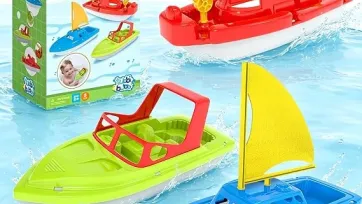
Water Play Toys: Benefits, Buying Tips and Fun Ways to Support Your Child's Development
 Water Play Toys: Benefits, Buying Tips and Fun Ways to Support Your Child's Development Introduction Give most children a bucket of water, a few simple toys and a little freedom, and they'll happily play for hours. There's something naturally exciting about splashing, pouring, floating and experimenting with water. What looks like ordinary fun is actually a valuable learning experience that helps children develop physical, cognitive and social skills. Water play is one of the easiest ways to combine education with entertainment. It encourages children to explore how things move, sink, float and flow while strengthening hand muscles, improving coordination and inspiring imaginative play. Whether it's a small water table in the garden, a paddling pool on a sunny afternoon or a few cups in the bath, water activities provide endless opportunities for discovery. For parents, choosing the right water play toys isn't just about keeping children occupied. The best toys encourage creativity, problem-solving and active learning while being safe, durable and easy to maintain. In this guide, you'll discover why water play is important, how it supports child development, the best water play toys for different age groups and what to consider before buying. Why Children Love Water Play Children are naturally curious. Water responds instantly to every action they take. They can pour it, scoop it, spray it, splash it or watch it flow in different directions. Unlike many toys that have one specific purpose, water offers endless possibilities. Every play session becomes a new experiment where children learn through observation and experience. This freedom keeps children engaged for much longer than many traditional toys. Why Water Play Is Important Water play supports several areas of development at the same time. As children pour, squeeze and transfer water between containers, they improve coordination, strengthen muscles and learn about basic scientific concepts without even realising it. Water play also encourages children to: Think creatively. Solve simple problems. Develop patience. Improve concentration. Build confidence. Learn through trial and error. Practise social skills when playing together. Because children are actively involved throughout the activity, learning feels natural rather than structured. Benefits of Water Play Toys The right toys make water play even more rewarding by introducing different movements, challenges and opportunities for exploration. Develop Fine Motor Skills Scooping water with cups, squeezing water toys and pouring between containers strengthen the small muscles in children's hands and fingers. These movements help prepare children for writing, drawing and other everyday activities. Improve Hand-Eye Coordination Filling buckets, aiming water wheels and catching floating toys require children to coordinate what they see with how their hands move. This gradually improves precision and control. Encourage Early Science Learning Water naturally introduces children to concepts such as: Floating and sinking Cause and effect Gravity Volume Measurement Movement Children learn these ideas through hands-on experimentation rather than formal lessons. Inspire Imaginative Play A simple water table can become a pirate ship, a car wash, a fishing lake or a jungle river depending on a child's imagination. This type of play strengthens creativity while keeping children engaged for longer. Encourage Active Outdoor Play Many water toys encourage children to move around, carry containers, splash, run and explore. This supports healthy physical development while making outdoor play more exciting during warmer months. Best Water Play Toys for Babies Babies enjoy gentle water experiences that focus on sensory exploration. Suitable options include: Floating bath toys Soft rubber animals Water-safe stacking cups Small pouring cups Floating balls Sensory bath books Soft water wheels These simple toys help babies explore movement, texture and cause-and-effect while enjoying bath time. Water Play Toys for Toddlers Toddlers enjoy experimenting with different ways of moving water. Excellent choices include: Water tables Buckets and watering cans Floating boats Pouring cups Scoops and sieves Water wheels Toy sea animals Mini fishing games Bath activity walls Water pumps These toys encourage active exploration while developing coordination and problem-solving skills. Water Play Toys for Preschool Children Preschool children enjoy more imaginative and challenging water activities. Popular choices include: Water channels Floating obstacle courses Toy boats Spray fountains Water blasters suitable for younger children Measuring containers Sand and water tables Toy construction equipment Floating alphabet letters Water experiment kits These toys combine imaginative play with early science learning, helping children understand how water behaves while developing creativity. Water Play Toys for School-Age Children As children grow older, they begin looking for activities that are more challenging and interactive. Water play doesn't lose its appeal—it simply evolves. Older children enjoy experimenting, building, competing and creating their own games, making water toys just as exciting as they were during the toddler years. Some excellent options include: Water obstacle course accessories Floating targets for throwing games Water sports equipment Pump-action water blasters Floating construction toys Water-powered experiment kits Boat-building sets Garden sprinklers Pool diving toys (for confident swimmers under supervision) DIY water channels These toys encourage physical activity while introducing children to basic engineering, teamwork and creative problem-solving. Indoor vs Outdoor Water Play Most people associate water play with gardens and sunny afternoons, but it doesn't have to be limited to outdoor spaces. Outdoor Water Play Outdoor activities allow children to move freely and enjoy larger equipment. Popular outdoor options include: Water tables Sprinklers Splash mats Paddling pools Garden fountains Water slides Water walls Sand and water stations Outdoor play encourages active movement and provides plenty of room for imaginative adventures. Indoor Water Play Indoor water activities are ideal during colder months or rainy days. Simple ideas include: Bath toys Sink-and-float experiments Measuring cups Plastic containers Floating letters and numbers Colour mixing with washable food colouring Sponges for squeezing activities A waterproof mat and a few towels can help keep clean-up quick and easy. How to Choose the Best Water Play Toys Not every water toy offers the same value. Some are entertaining for only a few minutes, while others inspire years of creative play. When shopping, consider these points: Choose toys appropriate for your child's age. Look for toys that encourage open-ended play. Select durable materials that can withstand regular exposure to water. Avoid toys with unnecessary electronic components. Check that toys are easy to clean and dry. Consider how much storage space is available. Choose toys that can be used in different ways. Simple, versatile toys often provide the longest-lasting enjoyment. Buying Guide Before purchasing water play toys, think about how and where your child will use them. Available Space A compact water table may be ideal for a small patio, while larger gardens can accommodate splash mats, sprinklers or obstacle courses. Ease of Cleaning Water toys should dry quickly and be easy to rinse after each use to reduce the risk of mould. Durability Choose toys made from sturdy, weather-resistant materials that can withstand outdoor conditions. Educational Value The best water toys encourage exploration, creativity and problem-solving while making learning enjoyable. Long-Term Play Value Select toys that continue to challenge children as they grow rather than those with only one fixed activity. Safety Tips Water play is enjoyable, but even small amounts of water require careful supervision. Follow these essential safety guidelines: Never leave children unattended around water. Empty paddling pools and containers immediately after use. Clean water toys regularly to prevent mould and bacteria. Check toys for cracks or damage before use. Use non-slip mats where appropriate. Apply suitable sun protection during outdoor play. Encourage regular drinking water during hot weather. Store water toys in a dry, well-ventilated area. Supervision remains the most important part of safe water play, regardless of a child's age. Common Buying Mistakes Avoid these common errors when choosing water play toys. Buying Toys That Are Too Complicated Children often enjoy simple pouring and splashing activities more than toys with numerous moving parts. Ignoring Storage Large water toys can be difficult to store if they cannot be folded or dismantled. Choosing Poor-Quality Materials Cheap plastic may crack after prolonged exposure to sunlight or water. Forgetting About Cleaning Toys that trap water inside can quickly develop mould if not cleaned and dried properly. Buying Only Seasonal Toys Many water toys can also be used in baths or sensory play throughout the year, making them a better long-term investment. Frequently Asked Questions What are the benefits of water play for children? Water play supports fine motor skills, coordination, creativity, early science learning, problem-solving and imaginative play while encouraging children to stay active. At what age can children enjoy water play toys? Babies can begin exploring simple floating toys during supervised bath time, while toddlers and older children can enjoy a wider range of water play equipment suited to their age. Are water tables educational? Yes. Water tables encourage experimentation with pouring, measuring, floating and movement while promoting creative and social play. How often should water toys be cleaned? Water toys should be rinsed after every use and cleaned thoroughly on a regular basis to prevent mould and bacteria from developing. Are electronic water toys a good choice? Some electronic toys can be enjoyable, but simple, durable water toys often provide greater opportunities for creative and independent play. Final Thoughts Water play is much more than a fun way to cool down on a warm day. It encourages children to experiment, imagine and learn through hands-on experiences that support physical, cognitive and social development. From pouring and splashing to building floating structures and creating imaginative adventures, water activities offer countless opportunities for meaningful play. When choosing water play toys, focus on safety, durability and versatility rather than complicated features. A small collection of well-designed toys can provide years of enjoyment while helping children build confidence, creativity and important developmental skills. Whether you're setting up a simple water tray in the garden or creating an exciting splash zone for the summer holidays, the right water play toys can turn ordinary moments into memorable learning experiences.  
Gross Motor Toys That Keep Children Active Indoors and Outdoors
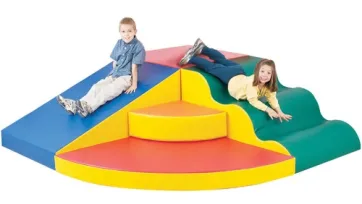
 Gross Motor Toys That Keep Children Active Indoors and Outdoors Physical activity plays a vital role in every child's healthy growth and development. From taking their first steps to climbing, jumping and balancing with confidence, children rely on gross motor skills to explore the world around them. These skills involve the large muscles of the arms, legs and torso, forming the foundation for movement, coordination and overall physical fitness. While outdoor adventures and organised sports certainly contribute to physical development, toys also play an important role. The right gross motor toys encourage children to move naturally through play, helping them build strength, balance, coordination and confidence without feeling like they are exercising. In today's world, where screens compete for children's attention more than ever before, active play has become increasingly important. Gross motor toys provide a fun alternative that keeps children engaged while supporting healthy physical development. Whether you have an energetic toddler who loves climbing or an older child who enjoys obstacle courses and outdoor games, choosing the right toys can make movement an exciting part of everyday life. This guide explains what gross motor skills are, why they matter, the benefits of gross motor toys and how to choose the best options for different ages. What Are Gross Motor Skills? Gross motor skills involve the large muscle groups that control whole-body movements. These skills allow children to perform everyday activities that require strength, coordination and balance. Examples of gross motor skills include: Walking Running Jumping Climbing Crawling Skipping Throwing Catching Kicking Balancing Riding a scooter or bicycle These abilities begin developing during infancy and continue improving throughout childhood as children become stronger and more coordinated. Why Gross Motor Skills Are Important Strong gross motor skills help children participate confidently in everyday activities at home, school and during sports. Well-developed movement skills support: Better balance and coordination Improved posture Increased muscle strength Greater endurance Healthy bone development Enhanced confidence Better body awareness Improved participation in physical activities Children who regularly engage in active play are also more likely to develop healthy exercise habits that continue into adulthood. How Gross Motor Toys Support Child Development Gross motor toys encourage children to move in different ways rather than remaining seated for long periods. As children climb, balance, push, pull, jump and throw, they strengthen major muscle groups while improving coordination and control. Unlike structured exercise programmes, active toys make movement enjoyable. Children stay physically active because they are having fun, not because they are following a workout routine. Many gross motor toys also encourage outdoor exploration, imaginative play and social interaction, making them valuable for overall development. Benefits of Gross Motor Toys Gross motor toys offer far more than entertainment. They support multiple areas of a child's physical, emotional and social development. Build Strength Activities such as climbing, pushing and pulling strengthen the muscles in the arms, legs, back and core. Greater muscle strength helps children perform everyday tasks with confidence and reduces the effort required for physical activities. Improve Balance and Coordination Balancing toys, stepping stones and ride-on toys help children learn how to control their movements more effectively. Improved coordination benefits everything from walking and running to participating in sports later in life. Encourage Healthy Physical Activity Active toys motivate children to move naturally throughout the day. Instead of spending long periods using electronic devices, children remain physically engaged while enjoying themselves. Support Confidence Successfully climbing a frame, catching a ball or completing an obstacle course gives children a sense of achievement. These small successes gradually build confidence and encourage them to try new physical challenges. Promote Social Skills Many gross motor toys are designed for group play. Children learn to share equipment, take turns, cooperate and communicate while playing with siblings and friends. Improve Overall Health Regular movement supports healthy growth, stronger bones, improved cardiovascular fitness and better sleep. Active play also helps children manage energy levels and supports emotional wellbeing. Best Gross Motor Toys for Babies Even before children can walk, they begin developing gross motor skills through movement and exploration. Suitable toys for babies include: Soft play mats Activity gyms Push-along walkers Crawl tunnels Soft climbing cushions Rolling balls Ride-on push toys These toys encourage reaching, rolling, crawling, standing and early walking while strengthening muscles in a safe environment. Gross Motor Toys for Toddlers Toddlers are naturally energetic and eager to explore. Gross motor toys help channel this energy into activities that support healthy physical development. Excellent choices include: Ride-on toys Balance bikes Soft climbing frames Mini slides Foam stepping stones Push and pull toys Ball pits Lightweight footballs Bean bags Mini basketball sets These toys encourage children to run, climb, balance and throw while improving coordination and confidence. Gross Motor Toys for Preschool Children As children enter the preschool years, they become more adventurous and confident in their movements. They enjoy climbing higher, jumping further and creating physical challenges during play. Gross motor toys at this stage should encourage a variety of movements while remaining safe and age-appropriate. Excellent choices include: Climbing frames Trampolines with safety enclosures Balance beams Scooters Hopper balls Skipping ropes Obstacle course sets Mini football goals Tunnels Stepping stones These toys improve balance, coordination, agility and muscle strength while keeping children physically active. Gross Motor Toys for School-Age Children Older children often enjoy more challenging physical activities that require speed, coordination and endurance. Suitable gross motor toys include: Bicycles Roller skates or inline skates Larger trampolines Climbing domes Sports equipment Agility ladders Basketball hoops Garden obstacle course kits Flying discs Badminton and tennis sets These activities not only develop physical skills but also encourage teamwork, confidence and a lifelong interest in staying active. Indoor vs Outdoor Gross Motor Toys Both indoor and outdoor toys have their own advantages, and a balanced collection gives children opportunities to stay active throughout the year. Indoor Gross Motor Toys Indoor toys are ideal during rainy weather or when outdoor space is limited. Popular options include: Foam climbing blocks Balance boards Soft tunnels Mini trampolines Indoor stepping stones Dance mats Exercise balls Bean bag games These toys encourage movement while remaining suitable for smaller spaces. Outdoor Gross Motor Toys Outdoor toys allow children to enjoy fresh air while developing larger movement skills. Examples include: Swing sets Slides Climbing frames Scooters Balance bikes Football goals Water play equipment Garden obstacle courses Outdoor play also provides additional opportunities for exploration, imaginative play and social interaction. How to Choose the Best Gross Motor Toys Selecting the right gross motor toy involves more than choosing the biggest or most exciting product. The best toys match your child's abilities while encouraging continued development. When choosing a toy, consider: Your child's age and physical ability. Available indoor or outdoor space. The toy's safety features. Weight limits and durability. Opportunities for long-term use. Ease of storage if space is limited. A toy that offers multiple ways to play will usually provide better value over time. Buying Guide Before purchasing a gross motor toy, think carefully about your family's needs and your child's interests. Choose Age-Appropriate Equipment Always follow the recommended age guidelines. Equipment designed for older children may be unsafe or frustrating for younger users. Look for Quality Construction Strong materials and sturdy construction help toys withstand regular outdoor use and energetic play. Consider Available Space Measure your indoor or garden space before buying larger items such as climbing frames or trampolines. Encourage Versatile Play Choose toys that support different types of movement rather than only one activity. For example, climbing equipment often encourages balancing, jumping, crawling and imaginative play all at once. Think Long-Term Many active toys can be enjoyed for several years if chosen according to your child's expected growth and development. Safety Tips Active play always requires sensible safety precautions. Follow these guidelines: Supervise young children during physical play. Assemble toys according to the manufacturer's instructions. Check equipment regularly for loose bolts or damage. Use appropriate safety gear such as helmets where required. Place outdoor equipment on suitable surfaces. Keep play areas free from obstacles. Teach children how to use equipment correctly. Replace damaged toys immediately. Safe equipment allows children to explore confidently while reducing unnecessary risks. Common Buying Mistakes Avoid these common mistakes when purchasing gross motor toys. Buying Equipment That Is Too Advanced Children enjoy challenges, but equipment that is far beyond their abilities may reduce confidence or increase the risk of injury. Ignoring Available Space Large toys require sufficient room for safe use. Always check the recommended clearance area before purchasing. Choosing Toys Based Only on Appearance Colourful designs may attract attention, but quality, durability and developmental value are far more important. Buying Low-Quality Equipment Poorly made toys may wear out quickly and become unsafe over time. Forgetting Your Child's Interests Some children enjoy climbing, while others prefer riding, throwing or balancing activities. Choose toys that match their personality and encourage regular use. Frequently Asked Questions What are gross motor toys? Gross motor toys encourage large body movements such as climbing, running, jumping, balancing, throwing and riding. They help strengthen major muscle groups while improving coordination and confidence. At what age do gross motor skills begin to develop? Gross motor development starts during infancy with movements such as rolling, crawling and standing, then continues throughout childhood. Are indoor gross motor toys effective? Yes. Indoor active toys provide valuable movement opportunities, especially during poor weather or when outdoor space is limited. Do gross motor toys help with school readiness? Yes. Strong gross motor skills improve posture, balance, coordination and body control, all of which support everyday classroom activities and participation in sports. How many gross motor toys does a child need? A small collection of high-quality toys that encourage different types of movement is usually more beneficial than owning numerous similar products. Final Thoughts Gross motor toys are an excellent investment in your child's physical development. They encourage active play, strengthen muscles, improve balance and coordination, and help children develop confidence through movement. Whether your child enjoys climbing, balancing, riding or throwing, the right toys make exercise feel like an exciting adventure rather than a chore. By choosing safe, age-appropriate and durable toys, parents can support healthy development while creating countless opportunities for fun. Combined with regular outdoor play and everyday physical activities, gross motor toys help children build the strength and skills they need for an active, healthy future.
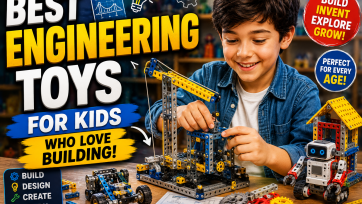
Best Engineering Toys for Kids Who Love Building
Some children do not simply play with toys. They take them apart, rebuild them, connect pieces in unusual ways, and ask endless questions about how things work. For these children, engineering toys can be far more engaging than ordinary entertainment products. The best engineering toys for kids encourage them to design, test, fail, adjust, and try again. That process develops more than construction skills. It can strengthen patience, spatial reasoning, creativity, coordination, and confidence. A good engineering toy does not give a child only one correct result. It provides enough freedom to create bridges, vehicles, machines, towers, robots, or completely imaginary structures. This guide covers the most useful types of engineering toys, which age groups they suit, and what parents should check before buying. Why Engineering Toys Matter Engineering begins with a problem. How can this tower stand higher? Why does this bridge collapse? Which wheel size makes the car move faster? How can one motor power several moving parts? Children may not use formal engineering language, but they are already exploring design, structure, force, movement, balance, and cause and effect. When a model fails, the child has an opportunity to examine the problem and improve the design. This makes engineering toys valuable because failure becomes part of the learning process rather than the end of the activity. 1. Classic Building Blocks Building blocks remain one of the best engineering toys for children of almost every age. Toddlers can stack large blocks and explore balance. Preschoolers can create houses, roads, and simple bridges. Older children can build complex structures with smaller interlocking pieces. Blocks introduce important ideas such as: Weight distribution Height and stability Symmetry Shapes Measurement Structural support The greatest advantage of building blocks is that there is no fixed final result. Children can use the same set differently every day. For younger children, select large pieces that cannot become choking hazards. 2. Magnetic Construction Tiles Magnetic tiles are popular because they allow children to build quickly without complicated connectors. The pieces can be arranged into flat patterns or connected to form three-dimensional structures. Children can create towers, houses, pyramids, vehicles, tunnels, and geometric shapes. Magnetic tiles are particularly useful for teaching: Geometry Spatial thinking Symmetry Structural design Color patterns Parents should inspect magnetic toys regularly. Cracked pieces or loose magnets should be removed immediately. Quality matters more with magnetic toys than with many other building products. 3. Gear-Building Sets Gear sets help children understand how movement can transfer from one part of a machine to another. When one gear turns, it may cause several connected gears to move. Children can experiment with gear sizes, direction, speed, and placement. These sets are especially suitable for children who enjoy moving mechanisms rather than static structures. A good beginner gear set should include: Large gears Strong connectors A stable base Easy-to-follow examples Enough pieces for original designs Some gear kits also include handles, chains, wheels, or motorized parts. 4. Construction Vehicles and Assembly Kits Many children are fascinated by cranes, bulldozers, trucks, and excavators. Assembly kits allow them to build these machines rather than simply push them across the floor. Depending on the child’s age, the set may use: Plastic screws Nuts and bolts Snap-together pieces Child-safe tools Mechanical connectors These toys can improve hand-eye coordination and teach children how individual parts form a complete machine. Look for kits that can be disassembled and rebuilt more than once. 5. Marble Runs A marble run is both an engineering toy and a science experiment. Children connect tracks, slopes, curves, tunnels, funnels, and ramps to guide a marble from the top to the bottom. A successful run requires planning. If the track is too flat, the marble may stop. If a connection is weak, the structure may collapse. If the curve is too sharp, the marble may leave the track. Marble runs introduce: Gravity Momentum Speed Angles Cause and effect Sequential design For younger children, choose sets with large balls designed specifically for their age group. Small marbles are not suitable for children who may place objects in their mouths. 6. Bridge-Building Kits Bridge kits are ideal for children interested in architecture and structural engineering. Some sets provide beams, connectors, cables, or wooden pieces. Others include challenge cards that ask the child to build a bridge capable of supporting a specific amount of weight. Children can compare different bridge designs, including: Beam bridges Arch bridges Suspension bridges Truss bridges This type of activity teaches that a strong structure depends on design, not only the amount of material used. 7. Fort-Building Sets Fort-building kits use rods, connectors, panels, or fabric covers to create child-sized structures. Children may build forts, tents, tunnels, rockets, castles, and playhouses. These toys require whole-body movement and cooperation, making them useful for siblings or group play. Before purchasing, check the size of the completed structure. Some kits require more floor space than expected. The connectors should fit securely but remain manageable for children. 8. Mechanical Model Kits Mechanical model kits allow older children to build machines with moving parts. Popular projects include: Cars Cranes Clocks Robotic arms Windmills Pulleys Gearboxes Some kits use wood, while others use plastic or metal components. Wooden mechanical kits can look impressive, but thin pieces may break if pushed too hard. Read reviews carefully and check whether replacement parts are available. 9. Motorized Building Sets Motorized construction sets introduce children to machines powered by batteries or rechargeable motors. A child may build a vehicle, fan, conveyor belt, crane, or rotating model. These sets teach how power moves through a mechanical system. Parents should check whether the motor and battery box are included. Some products display motorized models on the packaging but sell the electrical components separately. Also compare battery life and replacement costs. 10. Robotics Construction Kits Robotics kits combine engineering with coding. Children first build the physical robot and then program it to move, light up, detect objects, or respond to commands. Beginner robotics kits often use block-based coding, while advanced versions may support Python or other programming languages. Before buying, check: Recommended age Assembly difficulty Device requirements Software compatibility Number of available projects Subscription costs Replacement parts A robotics kit is a better investment when children can build several models instead of only one robot. 11. Wooden Construction Sets Wooden engineering toys can be durable, attractive, and satisfying to handle. They may include planks, dowels, wheels, nuts, bolts, or interlocking components. Wooden sets work well for children who prefer building without screens or electronics. Check for smooth edges, non-toxic finishes, and strong connections. Poorly finished wooden pieces may splinter or become difficult to assemble. 12. Architecture Model Kits Children interested in buildings may enjoy kits based on houses, skyscrapers, landmarks, or city planning. Architecture kits encourage attention to proportion, symmetry, design, and space. Some models follow detailed instructions, while others provide modular pieces for original buildings. Older children may also enjoy drawing a floor plan before beginning construction. 13. Hydraulic Engineering Kits Hydraulic kits use water or air pressure to create movement. Children may build a robotic arm, lifting platform, excavator, or mechanical claw. These toys can demonstrate how pressure moves through tubes and controls different parts of a machine. Hydraulic kits are generally better for older children because assembly may involve small connectors, tubing, and careful measurements. Parents should prepare the work area because water may leak during setup or testing. 14. Solar-Powered Building Kits Solar engineering toys combine construction with renewable-energy learning. Children may build solar cars, robots, boats, or moving animals. These kits demonstrate how light energy can power a motor. Performance may depend on strong direct sunlight. Some children become disappointed when the model does not work well indoors, so parents should explain the lighting requirements before use. A model with both solar and battery options may be more practical. 15. Cardboard Construction Systems Cardboard building kits can be surprisingly effective engineering toys. Some include reusable connectors, cutting tools, templates, or wheels that allow children to transform ordinary cardboard into vehicles, houses, creatures, and machines. These systems are affordable and encourage recycling and large-scale creativity. Children are not limited by the number of pieces in a box because additional cardboard can often be added. Proper supervision is necessary when cutting tools are included. Choosing by Age Ages 2 to 4 Choose large blocks, nesting pieces, simple tool sets, and large magnetic tiles. At this stage, toys should have few steps and large, durable components. Ages 5 to 7 Children may enjoy marble runs, gear sets, fort-building kits, bridge challenges, and simple assembly vehicles. Look for visual instructions and projects that can be completed in a reasonable amount of time. Ages 8 to 10 Motorized models, architecture kits, robotics, mechanical systems, and detailed construction sets become more appropriate. Children at this age may be ready to work independently but can still benefit from adult guidance. Ages 11 and Older Older children can explore advanced robotics, hydraulics, electronics, metal construction sets, and complex mechanical models. Avoid assuming that age alone determines ability. Previous building experience matters just as much. What Parents Should Check Before Buying A large box does not always mean better value. Before purchasing, consider the following. Number of Possible Builds A kit that creates ten different models usually offers more long-term value than a set designed for one permanent structure. Quality of Instructions Poor instructions can ruin an otherwise good toy. Look for large diagrams, clear steps, online tutorials, or instructional videos. Replacement Parts Small connectors and mechanical pieces can be lost easily. Check whether replacement parts are available. Storage Some building kits include hundreds of pieces. A storage box or divided organizer can prevent pieces from disappearing. Difficulty The toy should provide a challenge without requiring an adult to complete the entire project. Total Cost Check for motors, batteries, applications, subscriptions, tools, and expansion packs that may be sold separately. Are Engineering Toys Worth the Cost? Engineering toys can provide excellent value when they are reusable and adaptable. A well-designed building set may remain useful for years because the child can create increasingly complex projects. Premium prices are easier to justify when the toy includes: Durable components Multiple projects Strong instructional material Expandable pieces Replacement support Different difficulty levels Expensive branding alone does not guarantee better learning. A simple set of blocks may offer more creative freedom than an advanced kit that only allows one predetermined model. The Best Toy Is the One That Gets Rebuilt Engineering toys should not be judged only by the final structure. The real learning takes place while the child is choosing pieces, solving problems, changing the design, and recovering from mistakes. A bridge that collapses can be more educational than one that works immediately. For younger children, begin with blocks, tiles, gears, and simple mechanical sets. As their skills improve, introduce motorized models, robotics, architecture, hydraulics, and electronics. The best engineering toy is one that makes a child look at the finished model and immediately ask: “What else can I build with this?”
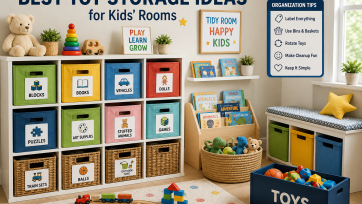
Best Toy Storage Ideas for Kids' Rooms in 2026
Best Toy Storage Ideas for Kids' Rooms in 2026 A child's playroom can quickly become cluttered with building blocks, dolls, puzzles, stuffed animals, board games, remote control cars, art supplies, and countless other toys. No matter how carefully parents organise everything, toys often end up scattered across the floor by the end of the day. A well-designed toy storage system not only keeps the room tidy but also teaches children responsibility, independence, and organisational skills. The best toy storage solutions make cleanup easy, encourage children to return toys to their proper places, and help families make better use of available space. Whether you have a dedicated playroom or simply a corner of the living room for toys, the right storage ideas can transform a messy area into an organised and inviting space. This guide explores the best toy storage ideas for kids' rooms in 2026 and shares practical tips for creating a clutter-free play environment. Why Toy Storage Matters An organised play area offers much more than a cleaner home. When toys are stored properly, children can: Find their favourite toys easily Focus on one activity at a time Learn responsibility Protect toys from damage Develop good organisation habits Enjoy a calmer play environment Parents also spend less time cleaning and searching for missing toy pieces. Benefits of an Organised Toy Room Good toy storage supports both children and parents. Some of the biggest benefits include: Less clutter Faster cleanup Longer toy lifespan Better concentration Easier toy rotation More floor space Improved safety Reduced stress Children are often more willing to play creatively when they can easily see and access their toys. Toy Storage Bins Storage bins remain one of the most practical solutions for organizing toys. They work well for storing: Building blocks Action figures Dolls Toy cars Art supplies Stuffed animals Clear storage bins are especially useful because children can easily see what's inside without opening every container. Cube Storage Shelves Cube shelving units have become a favorite choice for modern playrooms. Each compartment can hold different categories of toys, making it easy to organize everything neatly. For example: Books Puzzles Board games Wooden toys STEM kits Craft supplies Fabric baskets placed inside cube shelves also create a clean and attractive appearance. Label Everything Simple labels help children learn where each toy belongs. Depending on your child's age, labels can include: Pictures Words Colors Symbols Picture labels are especially helpful for toddlers who cannot read yet. Labeling also makes cleanup much faster. Rotate Toys Regularly Instead of displaying every toy at once, consider using a toy rotation system. Store some toys out of sight and rotate them every few weeks. Benefits include: Less clutter Greater excitement Longer attention spans Better appreciation of existing toys Toy rotation also reduces the temptation to constantly buy new toys. Wall Shelves Save Space Wall-mounted shelves make excellent use of vertical space. They work particularly well for: Books Decorative toys Collectibles Educational materials Small storage baskets Installing shelves higher on the wall also keeps delicate items out of reach of younger children. Toy Chests Toy chests remain a classic storage solution. Modern versions often include: Soft-close lids Safety hinges Large storage capacity Child-friendly designs They are ideal for storing bulky toys such as stuffed animals, sports equipment, and dress-up costumes. Under-Bed Storage The space under a child's bed is often unused. Low-profile storage containers are perfect for: Seasonal toys Board games Extra puzzles Art supplies Toy rotation bins This solution keeps toys accessible without taking up valuable floor space. Bookshelves for More Than Books Children's bookshelves can also organize: Educational games Small toy sets Wooden puzzles Craft boxes Activity kits Displaying toys neatly often encourages children to choose one activity at a time. Storage for Small Toy Pieces Many toys include dozens of small accessories. Use small containers or divided organizers for: Building bricks Puzzle pieces Doll accessories Toy tools Game cards Keeping small parts separated helps prevent lost pieces. Organizing Toys by Category Sorting toys into categories makes cleanup easier. Examples include: Building toys Vehicles Plush toys Outdoor toys Art supplies Educational games Board games RC toys Children quickly learn where each toy belongs when categories remain consistent. Make Cleanup Fun Young children respond well when cleaning becomes a game. Try: Cleanup races Color sorting challenges Music during cleanup Reward charts Family cleanup time Positive routines encourage children to develop lasting organizational habits. Choosing Safe Storage Furniture Safety should always come first. Choose storage furniture that: Has rounded edges Is securely attached to the wall if necessary Includes child-safe hinges Uses non-toxic materials Matches your child's height Stable furniture reduces the risk of accidents during play. Common Toy Storage Mistakes Parents sometimes create storage systems that are difficult for children to use. Avoid: Overfilled bins Heavy containers Unlabeled storage Shelves that are too high Keeping broken toys Simple systems are easier for children to maintain independently. Declutter Regularly Children eventually outgrow many toys. Every few months, sort toys into categories: Keep Donate Recycle Store Removing unused toys creates more space for favorites while making organization much easier. Frequently Asked Questions What is the best way to organize kids' toys? Group toys into categories, use labeled storage bins, rotate toys regularly, and choose furniture that children can access independently. How can I keep my child's room tidy? Create simple storage systems, limit the number of toys available at one time, and encourage daily cleanup routines. Should toys be stored in bins or on shelves? A combination works best. Shelves display frequently used toys, while bins are perfect for storing smaller items and toy collections. How often should I declutter toys? Most families benefit from reviewing toys every three to six months to remove broken, unused, or outgrown items. Final Thoughts The best toy storage ideas for kids' rooms in 2026 focus on simplicity, accessibility, and organization. With labeled bins, cube shelves, toy rotation, and child-friendly storage furniture, families can create a play space that stays tidy without constant effort. An organized room doesn't just look better—it helps children play more creatively, take responsibility for their belongings, and enjoy a calmer environment. By choosing practical storage solutions and maintaining a simple organization system, parents can spend less time cleaning and more time making memories with their children.
Why Children Love Repetition in Play: The Hidden Science Behind Playing the Same Game Again and Again
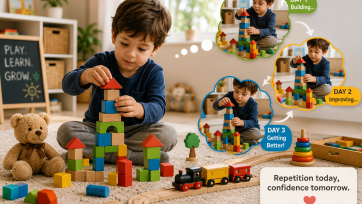
 Why Children Love Repetition in Play: The Hidden Science Behind Playing the Same Game Again and Again Introduction Every parent has experienced it. Your child spends twenty minutes building a tower. It falls over. Instead of trying something new, they build the same tower again. The next day, they repeat the process. By the weekend, they're still building towers. Meanwhile, the expensive new toy sitting on the shelf barely gets a glance. To adults, this behaviour can seem puzzling. "Haven't they already done this?" Children see it very differently. For them, repetition isn't boring. It's one of the most powerful ways to learn. Every time they repeat an activity, they're testing new ideas, improving skills and gaining confidence without even realising it. Understanding why children enjoy repeating the same game can completely change the way parents think about toys, learning and playtime. The Adult Brain Wants Variety. A Child's Brain Wants Mastery. Adults often look for new experiences. A different restaurant. A new television series. A fresh hobby. Children are driven by something else. They want to master the world around them. A toddler who successfully stacks six blocks today wants to know if they can stack seven tomorrow. A preschooler who builds a toy railway wants to improve it the next time. Repetition isn't a lack of imagination. It's evidence that the brain is strengthening important skills through practice. Every Repeat Adds Something New From the outside, it may look like the same game. But look more closely. The tower is slightly taller. The story has an extra character. The race track follows a different route. The pretend café now has customers waiting in line. Children rarely repeat play exactly. They refine it. Each version becomes a small experiment where they discover what works, what doesn't and what they can improve. That's one reason open-ended toys remain interesting for years. The toy stays the same. The child changes. Repetition Builds Confidence Imagine learning to ride a bicycle after trying only once. Or learning to read after opening a single book. Real learning requires repetition. Play works the same way. Each successful attempt gives children confidence to try something a little more difficult. Without repetition, many important skills would never become automatic. That's why children often insist on reading the same bedtime story or playing the same game for weeks. They're not stuck. They're growing. Why Open-Ended Toys Encourage Repeated Play Some toys are exciting because they surprise children. Others are exciting because children control them. Construction blocks, train tracks, art materials, dolls, toy animals and pretend-play sets rarely provide the exact same experience twice. Even when the child repeats the activity, the outcome changes. Yesterday's castle becomes today's airport. Today's airport becomes tomorrow's dinosaur museum. The best toys don't become repetitive. They make repetition rewarding. When Parents Accidentally Interrupt Learning Adults naturally enjoy helping. Sometimes, however, we introduce new toys too quickly. A child spends three days happily building roads with toy cars. Before they have time to develop the idea further, a brand-new toy arrives. The focus immediately shifts. While new toys are enjoyable, constantly replacing familiar activities can interrupt deeper learning. Children often benefit more from extending an existing game than starting a completely different one every few days. What Repetition Teaches Without Children Realising Parents often think learning happens when a child is introduced to something new. In reality, much of the learning happens when the activity becomes familiar. Each time children repeat a game, they're quietly developing important life skills, including: Better hand-eye coordination. Improved problem-solving. Stronger memory. Longer attention spans. Greater patience. Increased confidence. The child isn't thinking about these skills. They're simply enjoying the game. That's the beauty of meaningful play—learning feels effortless because it happens naturally. Why Favourite Toys Stay Favourite Toys Have you ever noticed that children often ignore the newest toy while returning to an old favourite? There's a reason. Favourite toys are predictable enough to feel comfortable but flexible enough to create new adventures. A set of building blocks doesn't suddenly become boring because there are always new ideas to explore. The same applies to toy farms, dollhouses, train sets, craft supplies and pretend kitchens. These toys grow with the child instead of limiting the child. That's why they're often used for years rather than weeks. Repetition Doesn't Mean a Child Lacks Imagination Some parents worry when they see the same game being played every day. In fact, the opposite is often true. Children with active imaginations frequently revisit the same imaginary world because they're expanding it. Today's pirate ship gains new crew members. Tomorrow it sails to a different island. Next week it becomes part of an even bigger adventure involving dinosaurs, treasure maps and talking parrots. The setting remains familiar. The story keeps evolving. That's creativity in action. When Should Parents Encourage Something New? Although repetition is healthy, children also benefit from fresh experiences. The key is recognising the difference between focused repetition and genuine loss of interest. A child who's happily improving the same game doesn't need to be interrupted. However, if play becomes repetitive without curiosity or enthusiasm, introducing a new material, a different environment or a simple question can refresh the experience. Instead of replacing the toy, try expanding the story. Ask: "Who visits the castle today?" "What happens if the bridge breaks?" "Can you build a taller tower?" Small prompts often create entirely new adventures without buying anything new. Helping Repetition Lead to Creativity Parents don't need elaborate plans. A few simple habits can support healthy repeated play: Leave unfinished creations where possible so children can continue the next day. Avoid tidying away projects immediately. Rotate accessories instead of replacing favourite toys. Celebrate effort rather than perfect results. Give children enough uninterrupted time to explore their own ideas. These small changes encourage deeper play and allow imagination to develop naturally. Frequently Asked Questions Why does my child want to play the same game every day? Repetition helps children build confidence, strengthen skills and explore new ideas within a familiar activity. It's a normal and healthy part of development. Should I buy a new toy when my child repeats the same activity? Not necessarily. Repeating favourite games usually means the child is still learning and enjoying the experience. New toys aren't always needed. Is repetition a sign of boredom? Usually not. Children who repeat activities with enthusiasm are often deeply engaged. Boredom is more likely when they quickly abandon games without showing curiosity. Which toys encourage repeated play? Open-ended toys such as building blocks, magnetic tiles, wooden trains, pretend-play sets, art supplies and toy animals often provide years of replay value because children can use them in different ways. Can repetition improve learning? Yes. Repeating activities helps children develop coordination, memory, language, creativity and problem-solving skills while increasing confidence through practice. Final Thoughts Adults often chase variety. Children often chase understanding. That's why the same tower is built again. The same railway is assembled every afternoon. The same teddy bear joins every tea party. To an adult, it may appear repetitive. To a child, it's another opportunity to improve, experiment and imagine. The next time your child asks to play the same game for the tenth time this week, resist the temptation to suggest something different straight away. Watch closely. You'll probably notice that although the toy hasn't changed, the play has. A new idea appears. A new story unfolds. A new challenge is created. That's not repetition without purpose. It's learning disguised as play. And sometimes, the greatest progress comes from doing the same thing one more time.  
Toy Rotation for Kids: A Complete Guide to Smarter Play in 2026
Toy Rotation for Kids: A Complete Guide to Smarter Play in 2026 Walk into many family homes, and you'll often find toy boxes overflowing with cars, dolls, puzzles, building blocks, stuffed animals, and games. Ironically, despite having dozens of toys, children frequently complain that they have "nothing to play with." This isn't because they need more toys—it's because they're overwhelmed by too many choices. That's where toy rotation comes in. Instead of keeping every toy available all the time, parents organize toys into smaller groups and rotate them every few weeks. This simple strategy keeps playtime exciting, reduces clutter, encourages creativity, and even helps children appreciate the toys they already own. Toy rotation has become increasingly popular among parents, educators, and child development experts because it creates a calmer play environment while supporting learning and independent play. If you've never tried toy rotation before, this guide explains how it works, why it matters, and how you can easily start at home. What Is Toy Rotation? Toy rotation is the practice of making only a limited number of toys available to children at one time while storing the remaining toys out of sight. After a set period—usually one to four weeks—the available toys are swapped with a different selection. The toys themselves don't change; only their availability does. Because children haven't seen certain toys for a while, those toys often feel exciting and new when they return. This simple method helps children stay interested without constantly buying new toys. Why Toy Rotation Works Children naturally become more curious when they have fewer choices. A room filled with dozens of toys can actually reduce creativity because children quickly jump from one activity to another without becoming fully engaged. When fewer toys are available, children tend to: Play longer Focus better Use their imagination more Discover new ways to play Take better care of their toys Instead of feeling overwhelmed, they become more involved in meaningful play. Benefits of Toy Rotation Parents who use toy rotation often notice positive changes within just a few weeks. Some of the biggest benefits include: Less toy clutter Longer attention spans More creative play Better organization Reduced screen time Less demand for new toys Easier cleanup Increased appreciation for existing toys Toy rotation also helps parents identify which toys truly keep their children engaged. How Toy Rotation Supports Child Development Children learn best when they have time to explore toys in depth. Instead of quickly moving from one toy to another, they spend more time experimenting, building, pretending, and solving problems. This supports: Creativity Critical thinking Fine motor skills Hand-eye coordination Independent play Emotional regulation Decision-making A simpler play environment often leads to richer learning experiences. How Many Toys Should Stay Out? There is no perfect number, but many families find that keeping 10 to 20 toys or activities available at one time works well. The goal isn't to limit fun—it's to reduce unnecessary choices. Try including a variety of toy types, such as: Building blocks Puzzles Pretend play toys Books Art supplies Vehicles Outdoor toys Educational games This variety keeps children engaged while supporting different skills. How Often Should You Rotate Toys? Every family is different, but a rotation every two to four weeks works well for most children. You don't have to follow a strict schedule. Watch your child's interest instead. It may be time for a rotation if: Toys are ignored. Playtime becomes repetitive. Your child seems bored. The play area feels cluttered. Sometimes simply changing a few toys is enough to refresh interest. Which Toys Should Stay Available? Some toys deserve a permanent place in the playroom. These often include: Favorite comfort toys Books Art supplies Building blocks Ride-on toys Outdoor equipment Everything else can become part of the rotation system. Keeping beloved toys available helps children feel secure while still benefiting from variety. Organizing Toys for Rotation Good organization makes toy rotation easy. Many parents store toys in: Clear storage bins Plastic containers Labeled boxes Shelving units Closet organizers Grouping similar toys together also saves time. For example: Vehicles Building toys Science kits Pretend play Puzzles Arts and crafts When it's time to rotate, simply exchange one group for another. Toy Rotation by Age Different age groups benefit in different ways. Babies Rotate: Soft sensory toys Rattles Activity gyms Fabric books Toddlers Rotate: Shape sorters Wooden puzzles Stacking toys Pull toys Preschoolers Rotate: Building blocks Pretend play sets Craft supplies Educational games School-Age Children Rotate: STEM kits Board games Science experiments RC vehicles Construction sets Matching the rotation to your child's developmental stage keeps learning fresh and exciting. Include Educational Toys in Every Rotation A balanced toy rotation should include opportunities for learning as well as entertainment. Excellent educational choices include: Alphabet games Number puzzles STEM kits Geography activities Memory games Science projects Children often engage more deeply with educational toys when fewer distractions are available. Don't Forget Outdoor Toys Outdoor play should also be part of your rotation. You might rotate: Balls Scooters Bubble machines Gardening tools Flying discs Water play toys Changing outdoor activities regularly encourages children to stay active while trying new experiences. Common Toy Rotation Mistakes Toy rotation is simple, but a few mistakes can reduce its effectiveness. Avoid: Rotating toys too frequently Hiding favorite comfort toys Keeping broken toys Offering too many toys at once Buying new toys instead of rotating existing ones The goal is to make old toys feel exciting again, not constantly replace them. Does Toy Rotation Save Money? Absolutely. Many parents discover they don't need to buy new toys as often because children become excited about toys that have been stored away. Toy rotation also helps families identify which toys provide lasting value and which ones quickly lose their appeal. Over time, this leads to smarter purchasing decisions and less unnecessary spending. Tips for a Successful Toy Rotation System Keeping the process simple makes it easier to maintain. Some helpful ideas include: Rotate only a few toys at a time. Keep storage organized. Donate toys your child has outgrown. Involve your child in choosing the next rotation. Observe which toys encourage the longest play sessions. Remember, the goal isn't perfection. Even a basic rotation system can make a noticeable difference. Frequently Asked Questions What is toy rotation? Toy rotation is the practice of storing some toys while leaving only a smaller selection available. The stored toys are swapped in regularly to keep playtime fresh and engaging. At what age should toy rotation start? Parents can begin toy rotation during infancy, although it becomes especially effective for toddlers and preschoolers. How often should toys be rotated? Most families rotate toys every two to four weeks, but the timing can vary depending on the child's interest. Do I need to buy more toys for toy rotation? No. The purpose of toy rotation is to make better use of the toys you already own, not to increase the size of your toy collection. Final Thoughts Toy rotation is one of the simplest ways to create a more organized, engaging, and enjoyable play environment for children. By reducing clutter and offering a smaller selection of carefully chosen toys, parents encourage deeper focus, greater creativity, and more meaningful play. Whether your child enjoys puzzles, building blocks, pretend play, STEM kits, books, or remote control vehicles, rotating toys regularly helps each activity feel fresh and exciting again. Instead of constantly purchasing new toys, families can make the most of what they already have while supporting healthy development, reducing stress, and creating a calmer home.
Wooden vs Plastic Toys: Which Is Better for Kids in 2026?
Wooden vs Plastic Toys: Which Is Better for Kids in 2026? Choosing toys for your child isn't just about picking the most colorful or popular option. Parents today are paying closer attention to safety, durability, educational value, and environmental impact before making a purchase. One of the most common questions is whether wooden toys or plastic toys are the better choice. The truth is that both types of toys have their strengths. Wooden toys are often praised for their durability, timeless design, and educational value, while plastic toys offer variety, bright colors, and interactive features. The best choice depends on your child's age, interests, and the type of play experience you're looking for. In this guide, we'll compare wooden and plastic toys in detail, helping you make an informed decision for your family. Why This Comparison Matters Children spend countless hours playing with toys during their early years. The toys they use influence their creativity, learning, physical development, and even the way they interact with the world around them. Understanding the differences between wooden and plastic toys helps parents invest in products that are safe, enjoyable, and built to support healthy development. What Are Wooden Toys? Wooden toys are made primarily from natural wood and are usually finished with child-safe paints or natural coatings. They are known for their sturdy construction and simple designs that encourage imaginative play. Common examples include: Wooden building blocks Shape sorters Puzzles Train sets Stacking toys Play kitchens Montessori learning toys Many wooden toys are designed to last for years and can often be passed down to younger siblings. What Are Plastic Toys? Plastic toys are manufactured using various types of child-safe plastics and are available in almost every toy category. Popular plastic toys include: Action figures Dollhouses RC cars Toy dinosaurs Construction vehicles Interactive learning toys Musical toys Outdoor play equipment Modern plastic toys often include lights, sounds, moving parts, and electronic features that create highly interactive play experiences. Durability: Which Toys Last Longer? High-quality wooden toys are generally known for their exceptional durability. They can withstand years of active play without losing their shape or functionality. Plastic toys vary greatly in quality. Premium plastic toys can be very durable, while lower-quality versions may crack, fade, or break more easily. If long-term value is your priority, well-made wooden toys often have the advantage. Safety Comparison Safety should always be the first consideration when buying toys. High-quality wooden toys are usually made with: Smooth surfaces Rounded edges Non-toxic finishes Strong construction Quality plastic toys should also meet recognized safety standards and use BPA-free, child-safe materials. Regardless of the material, always buy toys from trusted brands and check the recommended age before purchasing. Educational Value Both wooden and plastic toys can support learning. Wooden toys often encourage: Creativity Problem-solving Independent play Fine motor skills Concentration Plastic toys often introduce: Technology Interactive learning Music Language development Cause-and-effect learning The educational value depends more on how the toy is designed than on the material itself. Creativity and Imaginative Play Wooden toys usually have simple designs that leave room for imagination. A wooden block can become: A castle A bridge A spaceship A zoo A city Children decide how to use the toy, encouraging creative thinking. Many plastic toys are based on specific characters or functions, which can sometimes limit open-ended play but increase excitement for children who enjoy themed adventures. Eco-Friendly Choice Many parents choose wooden toys because they are often made from renewable materials and can last for many years. Sustainably sourced wooden toys: Produce less waste Have a longer lifespan Can often be recycled Reduce the need for frequent replacements Plastic toys have improved over the years, and some manufacturers now use recycled materials, but many lower-quality products still contribute to environmental waste if they break quickly. Maintenance and Cleaning Both types of toys are easy to maintain with proper care. Wooden toys: Wipe clean with a damp cloth. Avoid soaking in water. Store in a dry place. Plastic toys: Wash with mild soap and water. Dry thoroughly. Follow cleaning instructions for electronic toys. Regular cleaning helps keep toys safe and hygienic. Which Toys Are Better for Babies? For babies, many parents prefer wooden toys because they are simple, durable, and encourage sensory exploration. Popular options include: Wooden rattles Grasping rings Stacking toys Activity cubes Plastic toys can also be excellent choices, especially soft teething toys and interactive learning toys designed specifically for infants. Always choose age-appropriate products regardless of the material. Which Toys Are Better for Toddlers? Toddlers enjoy both wooden and plastic toys. Wooden toys work well for: Building Sorting Stacking Pretend play Plastic toys are popular for: Ride-on vehicles Toy kitchens Interactive learning Outdoor play Musical activities Many families choose a combination of both. Price Comparison Wooden toys often have a higher purchase price because of their materials and craftsmanship. However, their durability means they frequently last much longer than cheaper alternatives. Plastic toys are available across a wider price range, from affordable everyday toys to premium electronic products. When considering value, it's important to think about how long the toy will remain useful rather than focusing only on the initial price. Which Toys Do Children Prefer? Every child is different. Some children enjoy building towers with wooden blocks for hours. Others love interactive RC cars, robots, or talking educational toys. Instead of choosing only one material, many parents create a balanced toy collection that includes both wooden and plastic toys to offer a variety of play experiences. Common Buying Mistakes Parents sometimes focus on appearance instead of quality. Avoid: Buying toys made from poor-quality materials. Ignoring safety certifications. Choosing toys that don't match your child's age. Purchasing toys only because they are trendy. Overlooking durability. A well-made toy is almost always a better investment than a cheaper alternative that breaks quickly. How to Decide Which Toy Is Right Ask yourself a few simple questions before buying: Is the toy safe? Does it match my child's age? Will it encourage learning? Is it durable? Can my child use it in different ways? Does it support creativity? If the answer is yes, you've probably found a great toy—whether it's made from wood or plastic. Frequently Asked Questions Are wooden toys safer than plastic toys? Both can be safe when they meet recognized safety standards. The most important factor is choosing high-quality toys from trusted manufacturers. Do wooden toys last longer? In many cases, yes. Quality wooden toys are known for their durability and can often be passed down to younger siblings. Are plastic toys better for learning? Some plastic toys include interactive educational features, while wooden toys encourage hands-on creativity and independent thinking. Both can support learning in different ways. Should parents choose only wooden toys? Not necessarily. A balanced collection of wooden and plastic toys gives children a wider variety of learning experiences and play opportunities. Final Thoughts The debate between wooden vs plastic toys doesn't have a single winner because both offer unique advantages. Wooden toys stand out for their durability, timeless design, eco-friendly appeal, and ability to encourage imaginative play. Plastic toys provide variety, interactive features, bright colors, and exciting themes that many children love. Rather than choosing one over the other, many parents find that a combination of high-quality wooden and plastic toys creates the best play environment. By focusing on safety, durability, educational value, and your child's interests, you can build a toy collection that supports learning, creativity, and joyful childhood memories for years to come.
Best Science Kits for Kids: Safe Experiments for Every Age
A good science kit can turn an ordinary afternoon into a small laboratory. One child may become fascinated by growing crystals. Another may spend an hour testing which objects float. An older child may prefer circuits, volcano reactions, microscopes, or simple chemistry. That is the real value of science toys: they allow children to learn by doing. The best science kits for kids are not necessarily the biggest boxes or the most expensive sets. A worthwhile kit should match the child’s age, explain each activity clearly, include safe materials, and encourage the child to ask questions instead of simply copying instructions. This guide explains what type of science kit works best at each age, which features are worth paying for, and how parents can avoid low-quality or unsafe products. Quick Guide: Which Science Kit Should You Buy? Child’s Age Best Type of Science Kit Adult Supervision 3–5 years Magnets, colors, plants, water experiments Constant 5–7 years Volcanoes, crystals, weather and nature kits Required 8–10 years Chemistry, microscopes, circuits and geology Strongly recommended 11–13 years Electronics, advanced chemistry and robotics Depends on activity Teenagers Laboratory kits, coding, engineering and astronomy As instructed Age labels matter. They are not only an indication of difficulty. They may also reflect small parts, chemicals, sharp components, heat, batteries, or other safety concerns. Science Kits for Ages 3 to 5 Preschool children do not need complicated scientific explanations. Their first experiments should focus on observation and cause and effect. Suitable options include: Color-mixing activities Large magnets Plant-growing kits Water wheels Magnifying glasses Weather charts Floating and sinking experiments At this age, the adult should guide the entire activity. A simple activity such as placing different objects in water can teach children to make predictions. Before placing an item in the bowl, ask whether they think it will float or sink. The experiment becomes more educational when children explain their guesses and compare the result with what actually happened. Avoid kits containing tiny pieces, glass containers, powders, or chemicals that may be swallowed. Science Kits for Ages 5 to 7 Children in this age group are often ready to follow short instructions and record simple observations. Popular science kits for ages five to seven include: Volcano Experiment Kits Volcano kits are popular because the reaction is quick and visually exciting. Most beginner versions use safe household-style ingredients to create a foaming eruption. The experiment can introduce basic ideas about reactions, pressure, and gases. However, parents should explain that the model is not an exact recreation of how a real volcano works. It is a demonstration of a chemical reaction. Crystal-Growing Kits Crystal kits can teach patience because results usually take time. Children can observe how crystals gradually form and compare their size over several days. Parents should handle any chemicals according to the instructions and keep the growing container away from food areas and younger siblings. Nature Exploration Kits Bug viewers, magnifying glasses, leaf presses, binoculars, and observation journals can encourage children to explore science outdoors. These kits are especially useful for children who prefer movement and nature over indoor experiments. Science Kits for Ages 8 to 10 Between eight and ten, many children can handle longer experiments and understand why a result occurred. This is a strong age for introducing real scientific habits: Ask a question. Make a prediction. Perform the experiment. Record the result. Explain what happened. The following categories usually work well. Beginner Chemistry Sets A beginner chemistry set may include experiments involving color changes, acids and bases, bubbles, mixtures, polymers, or crystals. When comparing chemistry kits, check whether the box includes protective equipment and whether additional household ingredients are required. Some kits advertise dozens of experiments, but many of those activities may use materials that are not included. Read the contents list before purchasing. Microscope Kits A children’s microscope can reveal details that are invisible to the naked eye. Young scientists can examine: Leaves Fabric fibers Hair Paper Onion skin Prepared slides Flower petals Do not choose a microscope only because it advertises extremely high magnification. Image clarity, stable focusing, lighting, and ease of use are often more important. A badly designed microscope can frustrate a child before the learning begins. Circuit Kits Snap-together circuit kits are excellent for introducing electricity without requiring complicated wiring. Children may build: Lights Fans Alarms Switches Sound circuits Small motors A good circuit kit should clearly identify each part and explain what happens when the circuit is open or closed. Battery compartments should be secure, and damaged wires or components should not be used. Science Kits for Ages 11 to 13 Older children generally want activities that feel less like toys and more like real projects. Good options include electronics, robotics, advanced microscopes, astronomy, geology, renewable-energy kits, and more detailed chemistry sets. Electronics Kits Electronics kits can introduce sensors, motors, resistors, switches, and basic programming. Some sets require a computer or mobile device, while others work independently. Before buying, check: Device compatibility Software requirements Battery needs Replacement components Difficulty level Subscription fees Astronomy Kits A basic telescope or astronomy kit may encourage interest in planets, stars, the moon, and space exploration. For beginners, ease of setup matters more than extreme magnification. A telescope that is difficult to align may remain unused, even if its technical specifications appear impressive. Renewable-Energy Kits Solar-powered cars, wind turbines, and water-energy models teach children how energy can be converted into movement or electricity. These kits are especially useful for school projects and environmental science activities. Science Kits for Teenagers Teenagers may benefit from science kits that offer genuine experimentation rather than simplified demonstrations. Possible choices include: Advanced electronics Coding and robotics kits Biology slide sets Environmental testing kits Engineering models Astronomy equipment Detailed chemistry experiments At this level, the quality of the instruction manual becomes extremely important. Teenagers should understand the scientific purpose of each step, not merely assemble parts until something moves. A strong kit explains the underlying principles and suggests ways to modify the experiment. What Makes a Science Kit Worth Buying? Large numbers printed on the box can be misleading. A kit advertised with “100 experiments” may include many variations of the same activity. A smaller kit with 15 well-designed experiments may provide better educational value. Look for the following features. Clear Instructions The manual should use simple language, diagrams, and step-by-step directions. It should also explain why the experiment works. Reusable Equipment Test tubes, measuring cups, magnifying tools, circuit pieces, and reusable containers add long-term value. Single-use kits may provide only one short activity. Included Materials Check which materials are included and which must be purchased separately. Some kits require vinegar, baking soda, food coloring, batteries, oil, salt, or other household items. Real Educational Content The child should be learning something beyond creating a colorful reaction. The best kits introduce a question, explain a concept, and encourage further exploration. Suitable Difficulty A kit should be challenging enough to remain interesting but not so difficult that the child needs an adult to perform every step. Science Kit Safety Checklist Before opening any science kit, parents should read the instructions completely. Use the following checklist: Follow the recommended age range. Supervise all activities involving chemicals, electricity, heat, or sharp tools. Keep ingredients away from the mouth and eyes. Do not use kitchen utensils unless the instructions allow it. Wash hands after experiments. Cover the working surface. Wear eye protection when recommended. Keep younger children and pets away. Store chemicals in their original containers. Never mix materials that are not listed in the instructions. Children should understand that science kits are not food, even when the materials resemble salt, sugar, or colored drinks. Experiments should take place in a ventilated and easy-to-clean area. Cheap Science Kits vs Premium Science Kits Budget science kits can be useful for a child who is exploring a new interest. They are usually suitable for short experiments, birthday gifts, or classroom activities. Premium kits may offer: Better-quality equipment More accurate instruments Detailed manuals Replacement parts More advanced projects Stronger construction Online lessons or applications Paying more makes sense when the kit can be reused or expanded. It is less worthwhile when the child completes one experiment and cannot use the materials again. Common Buying Mistakes Parents often purchase science kits based on the packaging rather than the actual contents. Avoid these mistakes: Buying Above the Child’s Level An advanced chemistry or robotics kit may appear impressive, but it will not provide much value if the child cannot understand the instructions. Ignoring Extra Costs Batteries, chemicals, slides, tools, applications, and replacement materials can increase the total price. Choosing Flashy Reactions Only Foam, smoke, and color changes are exciting, but the kit should explain the science behind them. Expecting Independent Play Most young children will need encouragement, setup help, and supervision. A science kit becomes more valuable when an adult discusses the experiment with the child. Final Recommendation For younger children, begin with simple kits involving water, plants, magnets, colors, and nature. Children between eight and ten may enjoy microscopes, circuit boards, crystals, and beginner chemistry. Older children can move toward electronics, robotics, astronomy, engineering, and more advanced laboratory activities. The best science kit is one that the child will actually open, use, question, and revisit. A successful experiment does not need to produce a perfect result. Sometimes the most valuable moment occurs when something fails and the child asks, “Why didn’t that work?” That question is where real scientific learning begins.